Skip navigation

Petition - Weed of National Significance: Buffel grass listing

A Weed of National Significance listing is a message of hope, that action on buffel grass is essential to conserve this continent's inland waterways, landscapes, species, First Nations cultures and remote communities. There are a myriad of opportunities to significantly advance the management of buffel grass across the continent and a Weed of National Significance listing will turbo-charge research, national coordination and resourcing as well as on-ground management. 

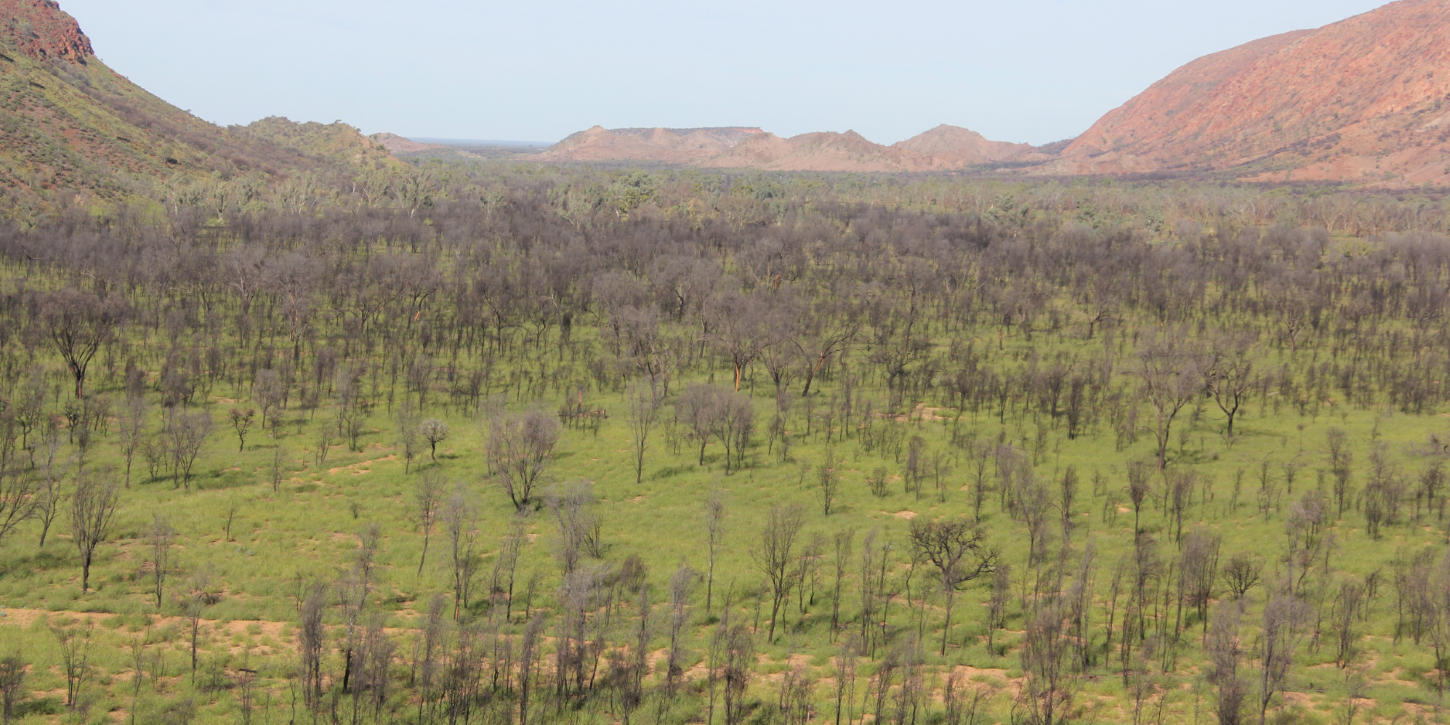
Buffel grass (Cenchrus ciliaris and other related species) is a high-impact environmental grass species and the greatest invasive species threat to environments and cultures across the central deserts. Buffel promotes larger, more intense and more frequent wildfires. It has already transformed millions of hectares of habitat into a fire-promoting monoculture and risks invading up to 68 percent of the continent. It impacts dozens of threatened species, monocrops landscapes, degrades soils, is a public safety threat, suppresses wildflowers, bushfoods and bush medicines, significantly impacting First Nations cultures, sacred sites and inter-generational knowledge sharing, as well as affecting public safety threat, the tourism industry, human health, social wellbeing, essential infrastructure and economic diversification. 

Buffel grass was implicated in the horrific Maui fires in Hawaii in August 2023, which resulted in over 100 fatalities. Dwellings were also lost in Alice Springs in 2023. The existential threat posed by buffel grass invasion is real and known. 


Will you sign?

Dear Minister for Agriculture, the Hon Julie Collins 

We demand that the Australian Government recognise the threat and declare buffel grass as a Weed of National Significance (WoNS). This call is supported by eighty-four organisations across the health, tourism, art, social services, ranger and environment sectors.

Wildflowers and the colours of the desert are being lost, hollow bearing trees destroyed and at least 31 threatened species are already at risk. 

Buffel grass is recognised globally as one of the greatest weed threats to arid and semi arid environments, as well as savanna grasslands.

Across Australia, buffel grass is found in every mainland state and the Northern Territory. It could establish across up to 68 percent of the continent. It is already smothering iconic landscapes like Uluru-Kata Tjuta and the MacDonnell Ranges but is marching toward Kati Thanda-Lake Eyre, many of Australia's 10 Deserts, the Kimberley and even the Victorian mallee.

Buffel grass is a super weed that fuels intense, frequent fires which is landclearing by stealth and fast-tracking ecosystem collapse. It is an existential threat to environments, cultures and public safety across the arid and semi-arid lands. 

Fire fatalities will occur if buffel grass management is not improved,  as they did in the buffel-linked fires in Hawaii which killed at least 102 people in 2023. Buffel grass outcompetes bushfoods, alters access to Country, suffocates springs and soaks, burns significant trees, puts sacred sites at risk and prevents inter-generational knowledge sharing and connection to Country for First Nations people. 

The nationwide devastation buffel grass has by altering fire patterns, suffocating nature and disrupting cultural practices make it an obvious front runner for the listing.

The WoNS listing will secure the national coordination and funding opportunities that are desperately needed to move forward, including: 

  1. The establishment of the National Buffel Grass Coordinator
  2. The establishment of a National Buffel Grass Taskforce
  3. The development of a National Buffel Grass Strategic Plan
  4. Unlocking coordination, funding, targeted management and research opportunities across the continent

I would like to see all stakeholders come to the table to find a solution; the Weed of National Significance listing will facilitate this process.

It is not too late to act, help us slow the spread and protect Australia’s remaining healthy environments. Thank you for your support to care for and conserve the arid and semi arid lands of Australia.


Kind regards

Read More