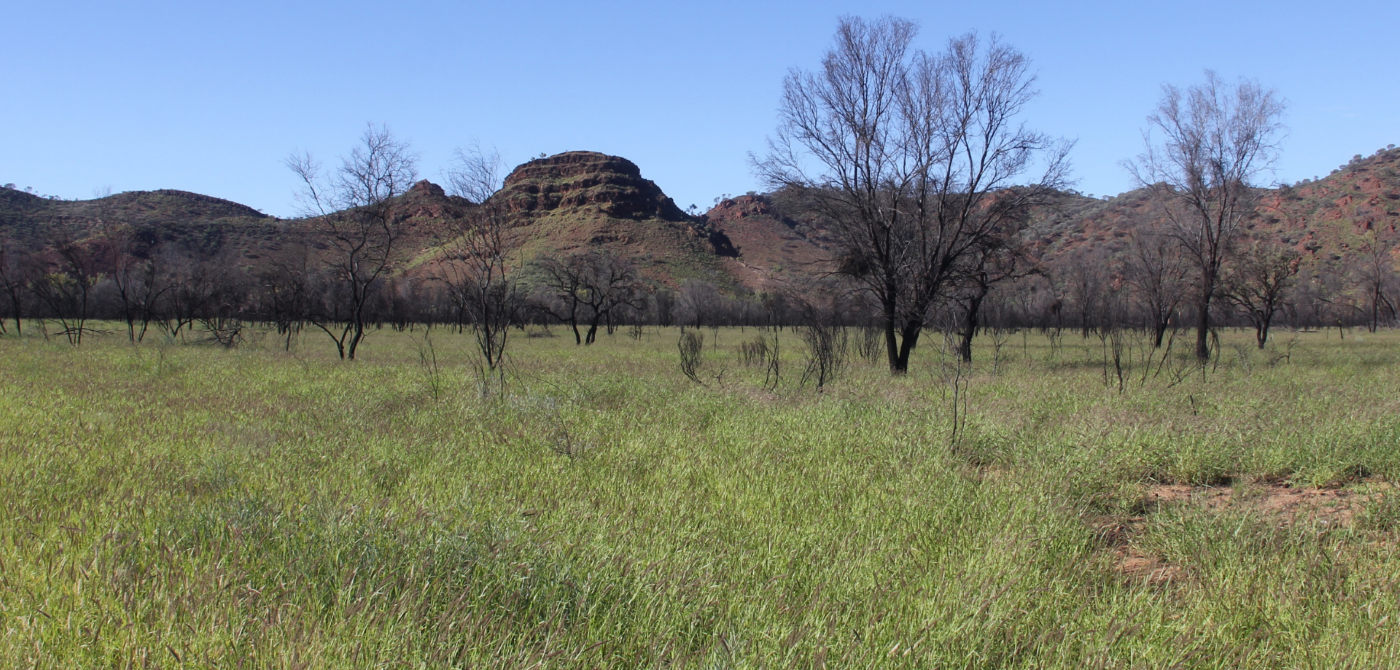
Below is a letter signed by 84 organisations and key stakeholders across the continent, including from key sectors sectors such as health, First Nations, land management, tourism, conservation and the arts.
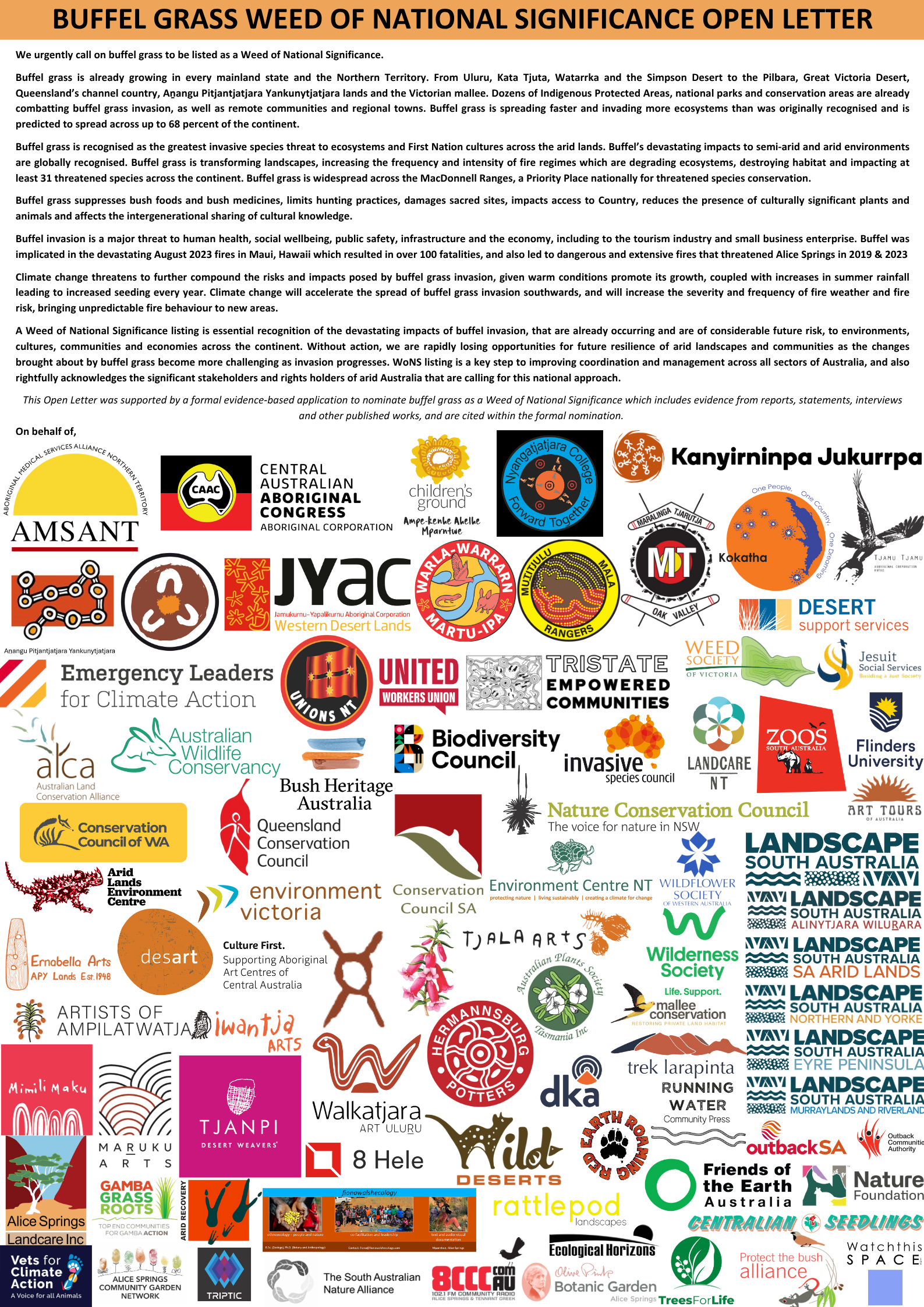
November 2023
We urgently call on buffel grass to be listed as a Weed of National Significance.
Buffel grass is already growing in every mainland state and the Northern Territory. From Uluru, Kata Tjuta, Watarrka and the Simpson Desert to the Pilbara, Great Victoria Desert, Queensland’s channel country, Aṉangu Pitjantjatjara Yankunytjatjara lands and the Victorian mallee. Dozens of Indigenous Protected Areas, national parks and conservation areas are already combatting buffel grass invasion, as well as remote communities and regional towns. Buffel grass is spreading faster and invading more ecosystems than was originally recognised and is predicted to spread across up to 68 percent of the continent.
Buffel grass is recognised as the greatest invasive species threat to ecosystems and First Nation cultures across the arid lands. Buffel’s devastating impacts to semi-arid and arid environments are globally recognised. Buffel grass is transforming landscapes, increasing the frequency and intensity of fire regimes which are degrading ecosystems, destroying habitat and impacting at least 31 threatened species across the continent. Buffel grass is widespread across the MacDonnell Ranges, a Priority Place nationally for threatened species conservation.
Buffel grass suppresses bush foods and bush medicines, limits hunting practices, damages sacred sites, impacts access to Country, reduces the presence of culturally significant plants and animals and affects the intergenerational sharing of cultural knowledge.
Buffel grass invasion is also a major threat to human health, social wellbeing, public safety, infrastructure and the economy, including to the tourism industry and small business enterprise. Buffel grass was implicated in the devastating August 2023 fires in Maui, Hawaii which resulted in over 100 fatalities, and also led to dangerous and extensive fires that threatened Alice Springs in 2019 and 2023.
Climate change threatens to further compound the risks and impacts posed by buffel grass invasion, given warm conditions promote its growth, coupled with increases in summer rainfall leading to increased seeding every year. Climate change will accelerate the spread of buffel grass invasion southwards, and will increase the severity and frequency of fire weather and fire risk, bringing unpredictable fire behaviour to new areas.
A Weed of National Significance listing is essential recognition of the devastating impacts of buffel invasion, that are already occurring and are of considerable future risk, to environments, cultures, communities and economies across the continent. Without action, we are rapidly losing opportunities for future resilience of arid landscapes and communities as the changes brought about by buffel grass become more challenging as invasion progresses. WONS listing is a key step to improving coordination and management across all sectors of Australia, and also rightfully acknowledges the significant stakeholders and rights holders of arid Australia that are calling for this national approach.
This Open Letter was supported by a formal evidence-based application to nominate buffel grass as a Weed of National Significance which includes evidence from reports, statements, interviews and other published works, and are cited within the formal nomination.
Organisations that support the Buffel Grass Weed of National Significance Open Letter
- Maralinga Tjarutja Oak Valley Rangers
- Mutitjulu Mala Ranger
- Jamukurnu-Yapalikurnu Aboriginal Corporation
- Warla-Warrarn Martu Indigenous Protected Area
- Birriliburu Rangers
- Tjamu Tjamu Aboriginal Corporation
- Kanyirninpa Jukurrpa
- Aboriginal Medical Services Alliance Northern Territory
- Central Australian Aboriginal Congress
- Anangu Pitjantjatjara Yankunytjatjara
- Children’s Ground
- Nyangatjatjara College
- Tristate Empowered Communities
- Kokatha Aboriginal Corporation
- Emergency Leaders for Climate Action
- Flinders University
- Australian Land Conservation Alliance
- Biodiversity Council
- Invasive Species Council
- Bush Heritage Australia
- Australian Wildlife Conservancy
- Wild Deserts
- Desert Support Services
- Weed Society of Victoria
- Queensland Conservation Council
- Conservation Council of Western Australia
- Conservation Council of South Australia
- Nature Conservancy of New South Wales
- Arid Lands Environment Centre
- Environment Centre Northern Territory
- Environment Victoria
- Wildflower Society of Western Australia
- Australian Plant Society Tasmania
- Australian Plant Society Victoria
- The South Australian Nature Alliance
- Landcare NT
- The Wilderness Society
- Friends of the Earth Australia
- Mallee Conservation
- Zoos South Australia
- Protect the Bush Alliance
- Nature Foundation
- Jesuit Social Services
- Unions Northern Territory
- United Workers Union
- Gamba Grassroots
- Ecological Horizons
- Arid Recovery
- Landscapes South Australia
- Landscape South Australian Alinytjara Wilurara
- Landscape South Australia Eyre Peninsula
- Landscape South Australia SA Arid Lands
- Landscape South Australia Murraylands and Riverland
- Landscape South australia Northern and Yorke
- Outback Communities Authority
- Desert Knowledge Australia
- Desart
- Tjanpi Desert Weavers
- Maruku Arts
- Walkatjara Arts
- Ernabella Arts
- Ninuku Arts
- Iwantja Arts
- Mimili Maku
- Artists of Ampilatwatja
- Tjala Arts
- Hermannsburg Potters
- Running Water Community Press
- 8 Hele Crescent Gallery
- Art Tours of Australia
- Triptic
- Watch This Space
- Rattlepod Landscapes
- Fiona Walsh Ecology
- Stride Resources
- Centralian Seedlings
- Trees for life
- 8CCC Community Radio
- Olive Pink Botanic Gardens
- Trek Larapinta
- Alice Springs Landcare
- Red Earth Roaming
- Vets for Climate Action
- Alice Springs Community Garden Network
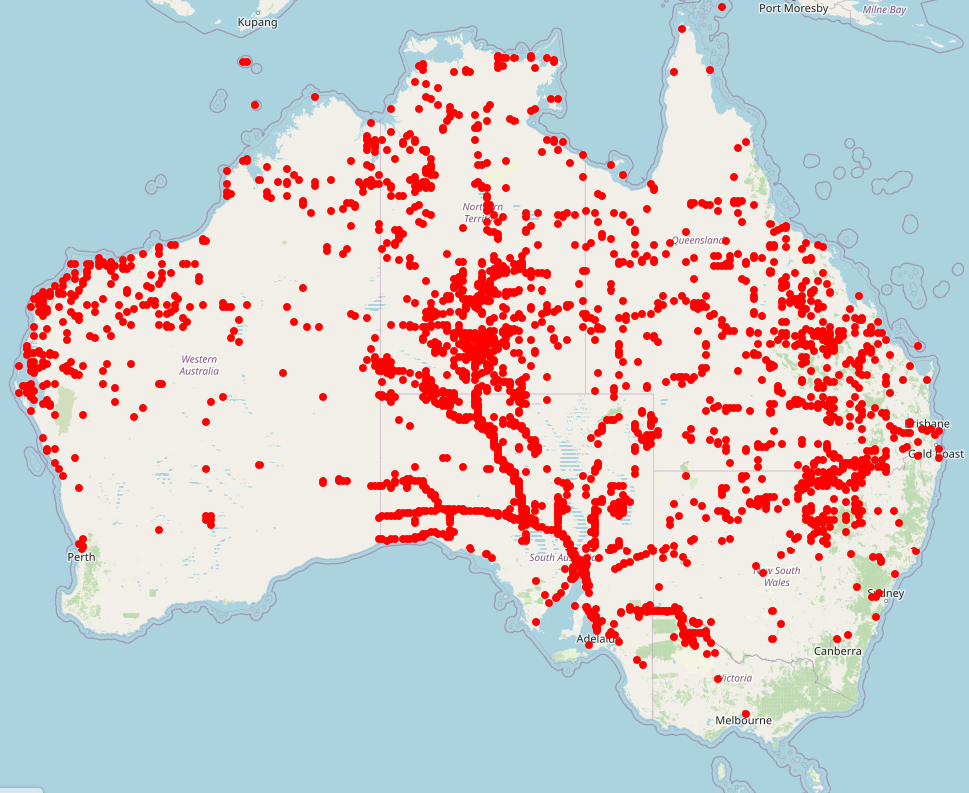
Figure 1. Map of current buffel grass distribution across the continent (Source: Atlas of Living Australia)