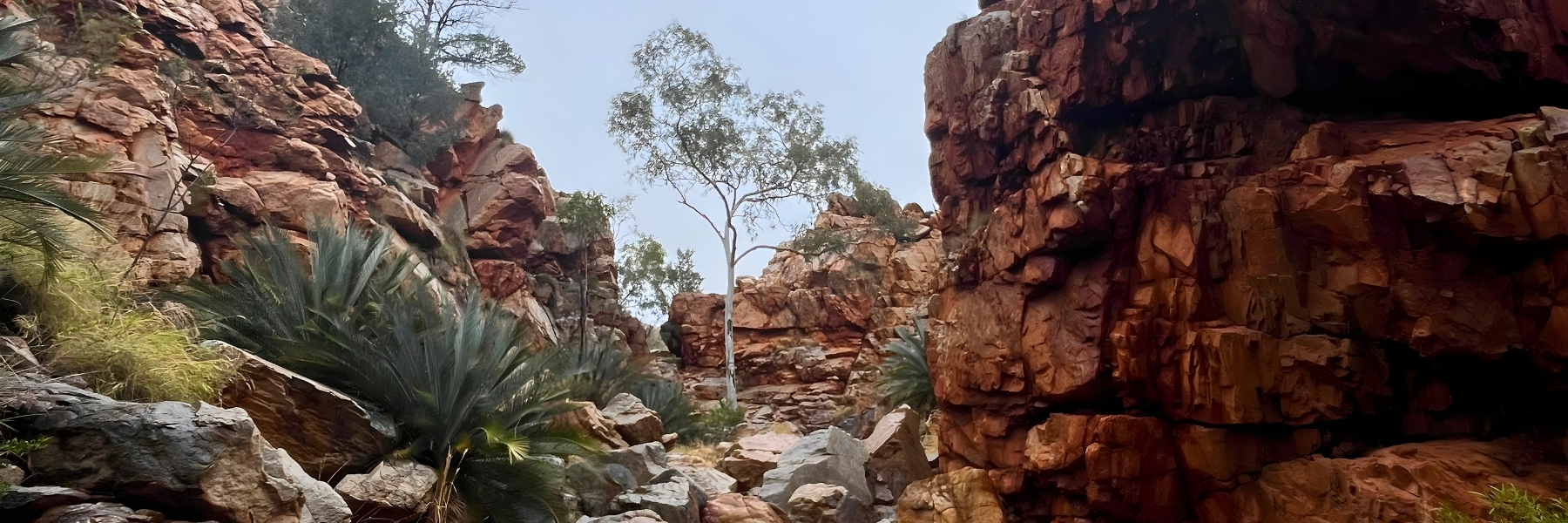
Australia’s arid lands are ecologically rich, culturally significant, and globally important landscapes. This vast region contains some of the largest remaining relatively intact desert ecosystems on Earth, supporting unique biodiversity, precious groundwater systems, and continuing First Nations custodianship and cultural knowledge.
Despite these values, the arid lands are often treated as politically marginal and viewed through an extraction mindset. Governments and corporations continue to prioritise mining, groundwater extraction, industrial agriculture, and gas expansion over ecological health, community wellbeing, and long-term sustainability. Environmental protections remain weak across climate policy, invasive species management, and groundwater governance, while industrial projects continue despite concerns raised by Traditional Owners, scientists, and communities.
At the same time, the climate crisis is intensifying pressures across the region. Extreme heat, flooding, fire weather, and prolonged drought are becoming more severe and frequent, while long-term, community-led adaptation responses remain limited.
Together, these pressures are increasing community vulnerability and accelerating ecosystem decline through invasive species spread, biodiversity loss, habitat degradation, altered fire regimes, and threats to the groundwater systems that sustain life across the desert.