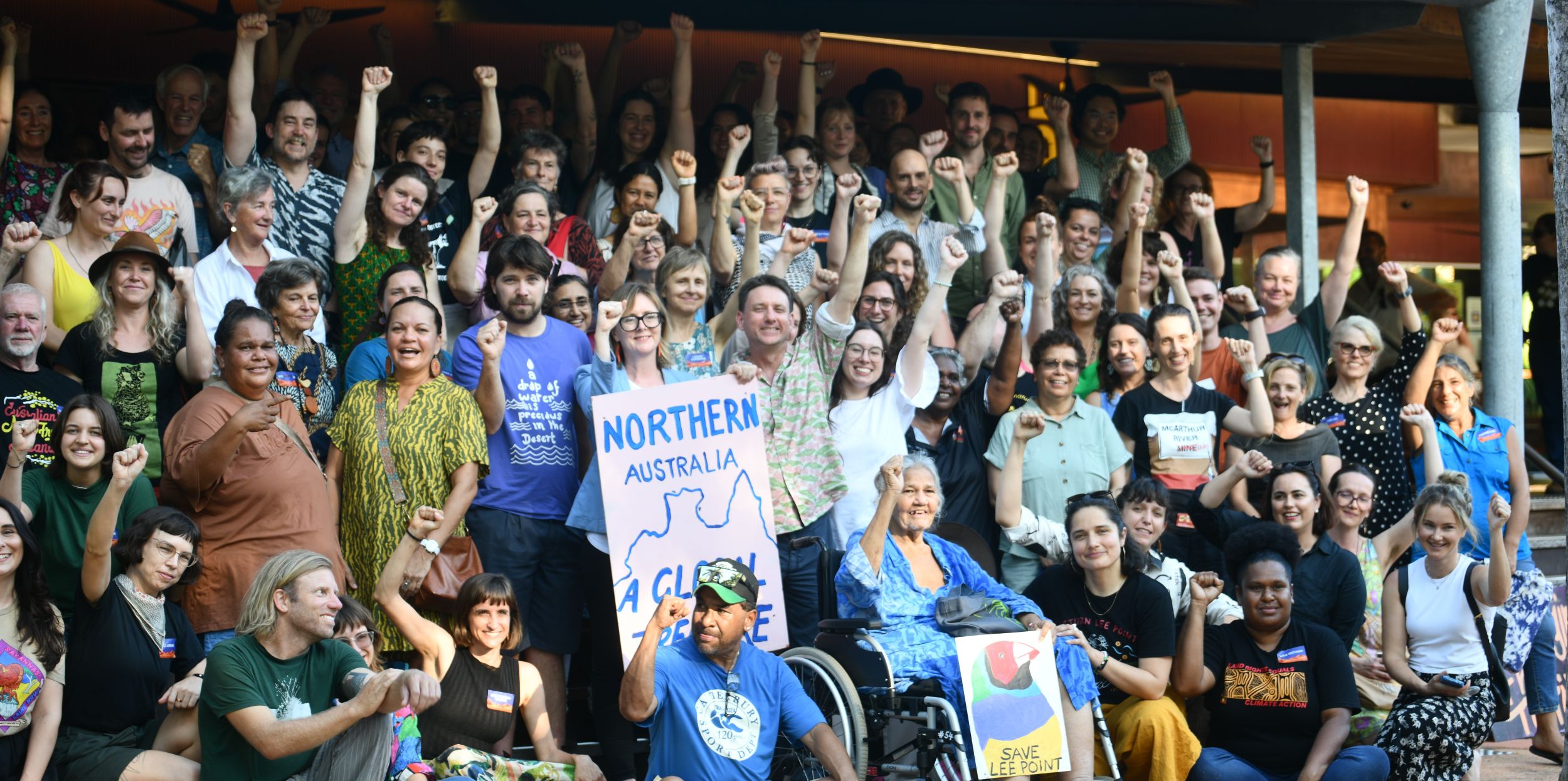
Last month, the inaugural Australia’s Great North Conference in Garamilla (Darwin) was a showcase of community storytelling, deep collaboration and environmental struggles for justice.
This important sold-out conference brought 250+ people together to holistically assess the shared threats to Northern Australia’s lands, waters, climate and communities, and illuminate the systemic impacts of the “developing the north” agenda. We also celebrated the outstanding nature of Northern Australia, as well as recognised the ongoing First Nation’s custodianship and leadership across these landscapes. We came together to promote a positive vision for the north centred in place, connected through care and respect, and guided towards an economic and environmental system that promotes balance, and not simply extraction and loss.
ALEC was very proud to co-host the conference with Environment Centre NT, Cairns and Far North Environment Centre and Environs Kimberley. From the tropical rainforests of Queensland and the remarkable Martuwarra Fitzroy River in the Kimberley to the Top-End and the arid heart of the continent, participants at the conference reaffirmed the importance of collaboration and local leadership in the face of climate change and industrial expansion.
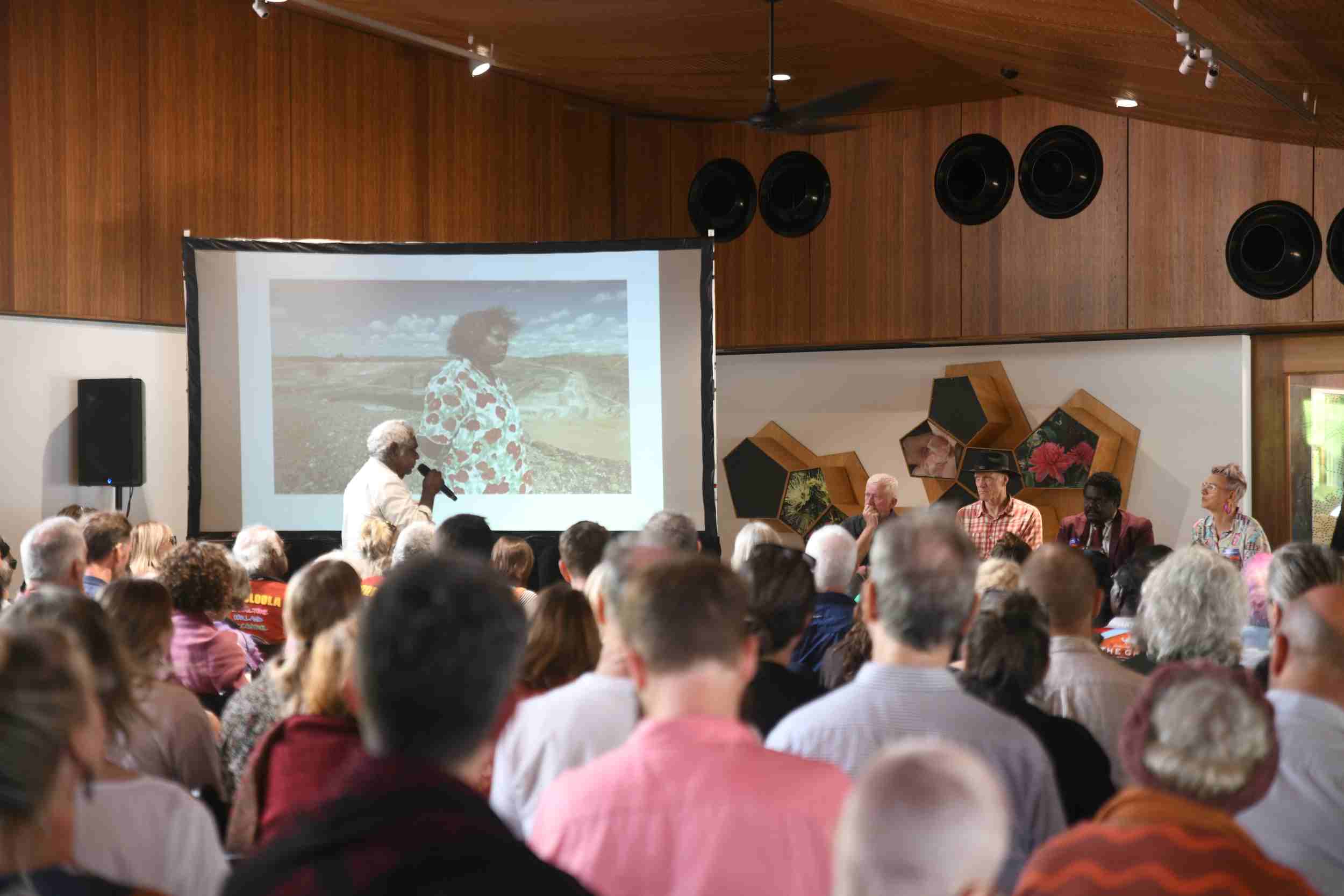
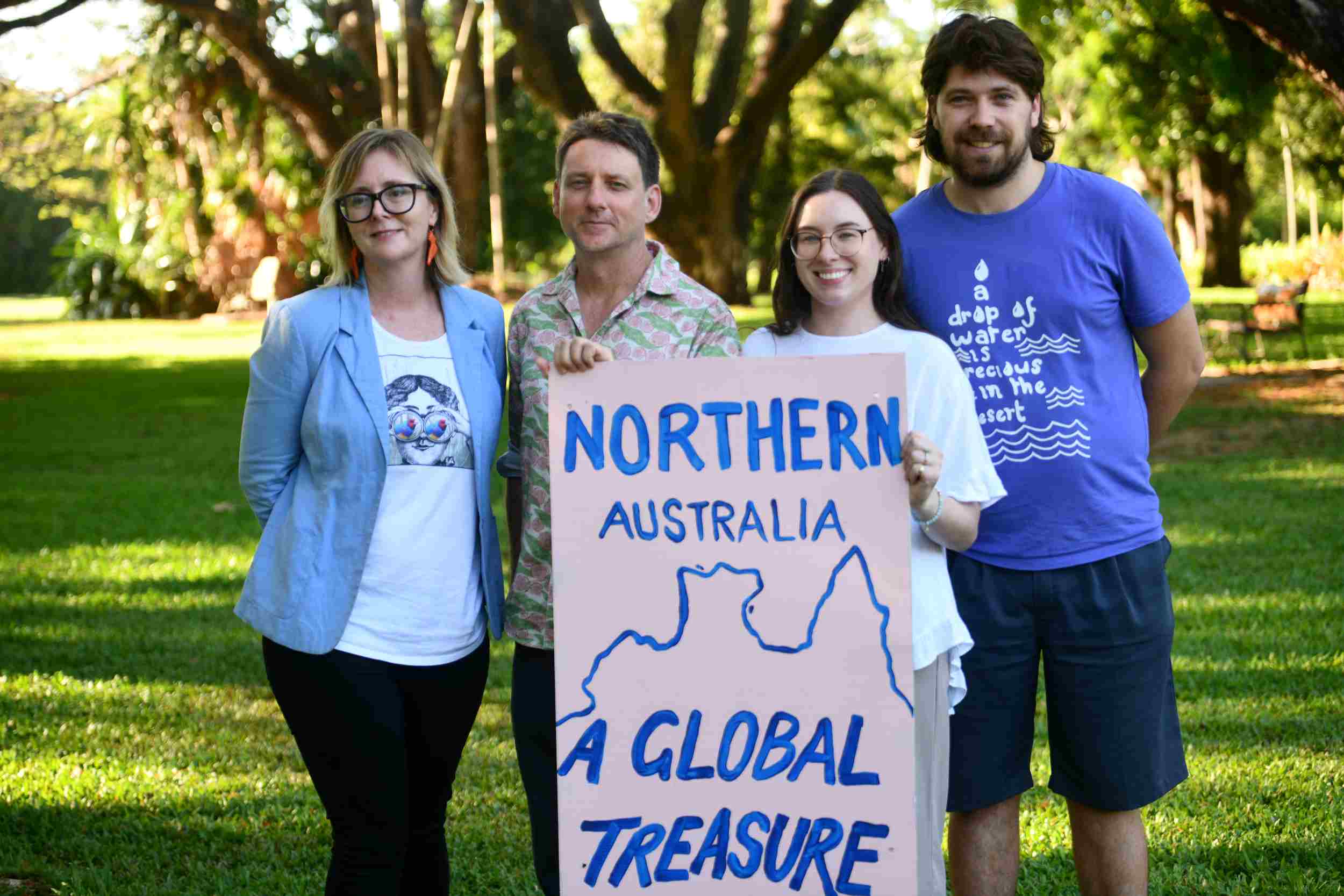
Here’s what happened! Below is ALEC’s summary of the Australia’s Great North Conference in Garamilla on the 17th and 18th September 2025. The conference program was bound by three themes: people and place, democracy and economy, and nature and climate.
The conference began with grounding welcomes to Larrakia Country from Gabrial Miller and Donna Jackson highlighting the custodianship and cultural responsibility that has existed since the first sunrise in Garamilla, and that this always was and always will be, Aboriginal Land.
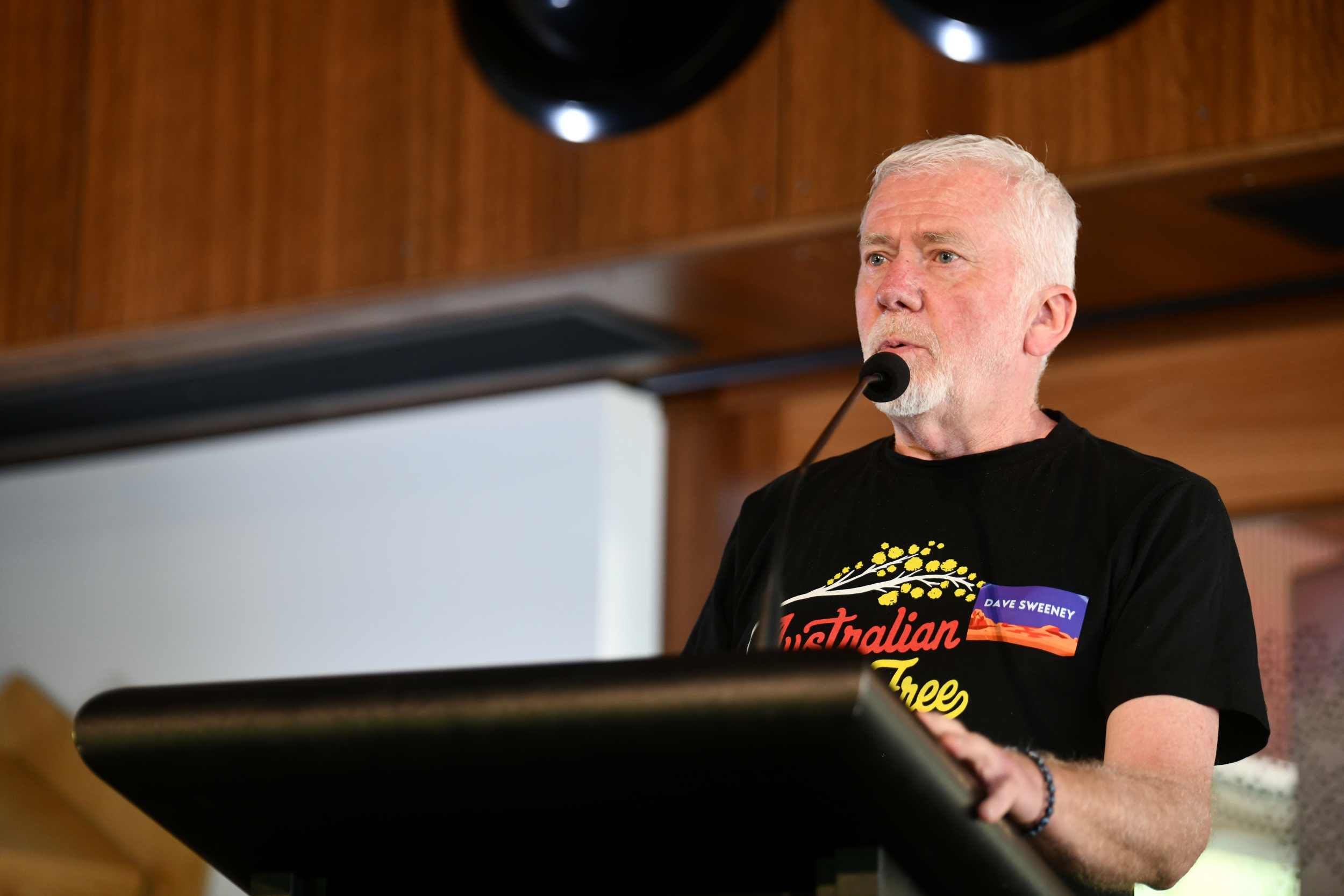
In the morning we looked to the past to inform the future. We heard a brilliant keynote address from Dave Sweeney, reflecting on campaign success in the anti-uranium and anti-nuclear waste movements. Dave provided a blueprint for non-Indigenous campaigners, a commitment to community connection, place-based organising and communicating with humility, care and a collective spirit.
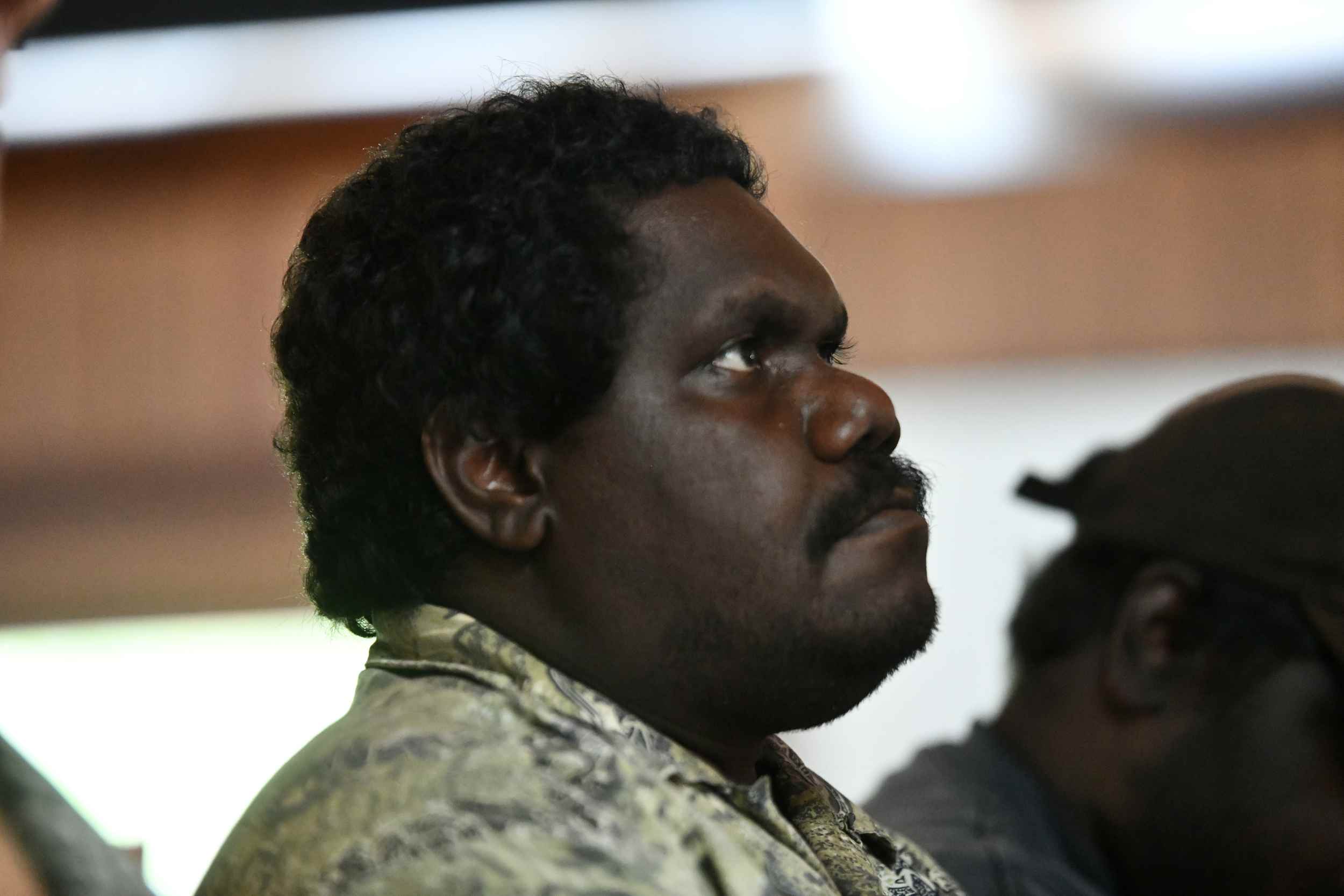
We then heard from Mirrar Traditional Owner, Corben Mudjandi in conversation with Peter Garrett, Dave Sweeney and Kirsten Blair on the remarkable campaign to stop Jabiluka, and current efforts to pressure Rio Tinto to properly and appropriately rehabilitate Ranger Uranium mine, next door to Kakadu National Park. We learnt of the intergenerational Mirarr resistance to care for their Country which continues to this day!
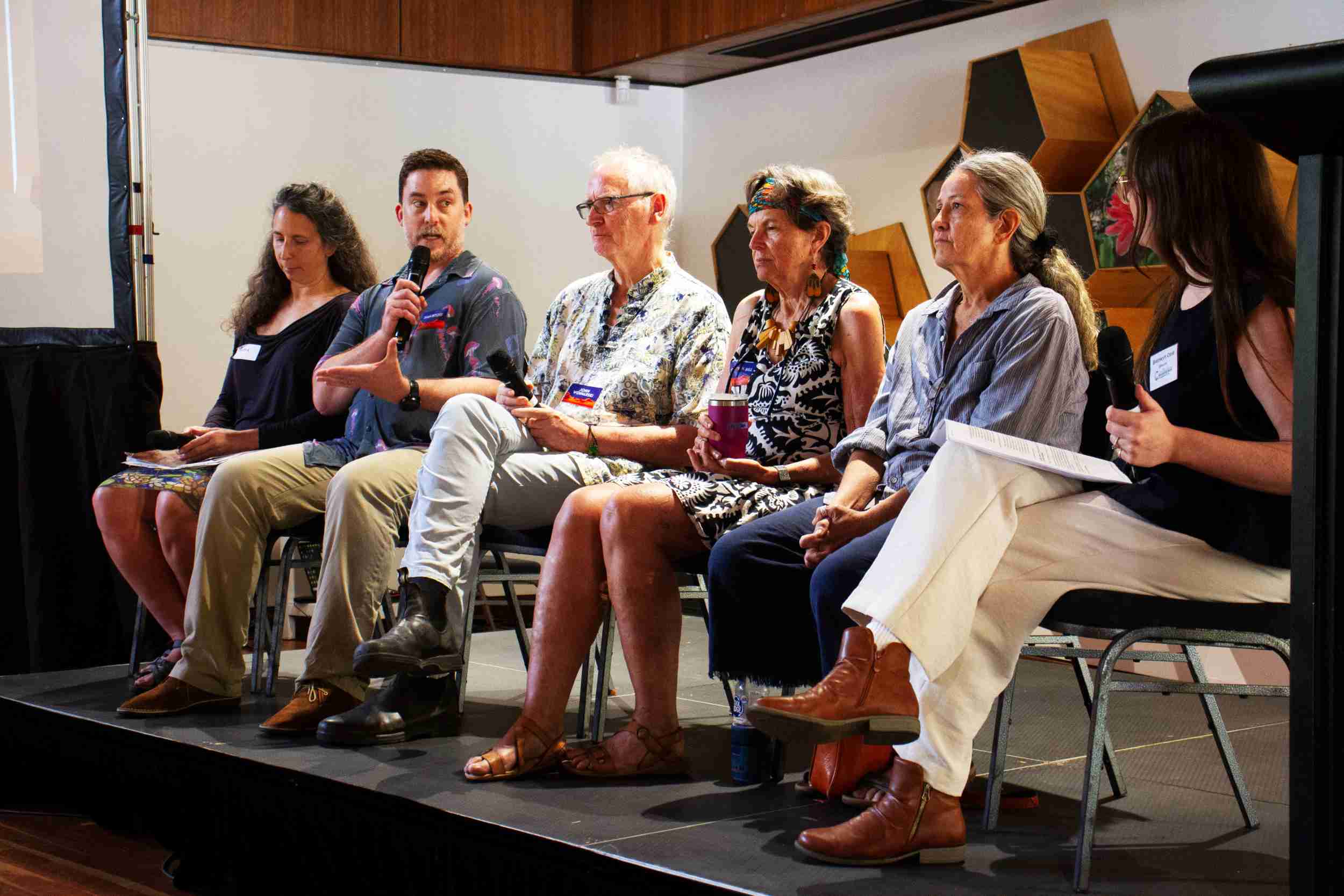
Some of Northern Australia’s most pre-eminent scientists talked about the wonder and diversity of the landscapes and ecosystems found across the north, highlighting the globally significant nature of Northern Australia’s waters and lands. However, we also heard how warnings from scientists of threats to northern Australia’s nature and climate have too often been ignored. The extreme exposure of northern Australia to climate impacts highlighted in Australia’s first-ever climate risk assessment (released the week before the conference) was of no surprise to the scientists in the room.
In this session we also heard from Donna Jackson, Larrakia woman, who shared a harrowing powerpoint presentation about how the dingo has been demonised and brutalised on the pastoral estate through the ongoing use of leg traps. It made clear how the culturally and ecologically significant role of the dingo across large parts of the continent is often disregarded as Australian governments prosecute dingoes as ‘wild dogs’. The dingo became a symbol of the conference thanks to the abundance of LECA dingo shirts.
We heard about the significant limitations of Native Title, and the lack of nature laws across the north. These issues are facilitating a major wave of development on the Native Title and pastoral estate. We heard how Native Title lacks strength, it does not provide a right to say no and how development processes under Native Title can place communities under significant stress and pressure. Nerida Brown from Western Cape York made staunch criticism of Native Title in particular.
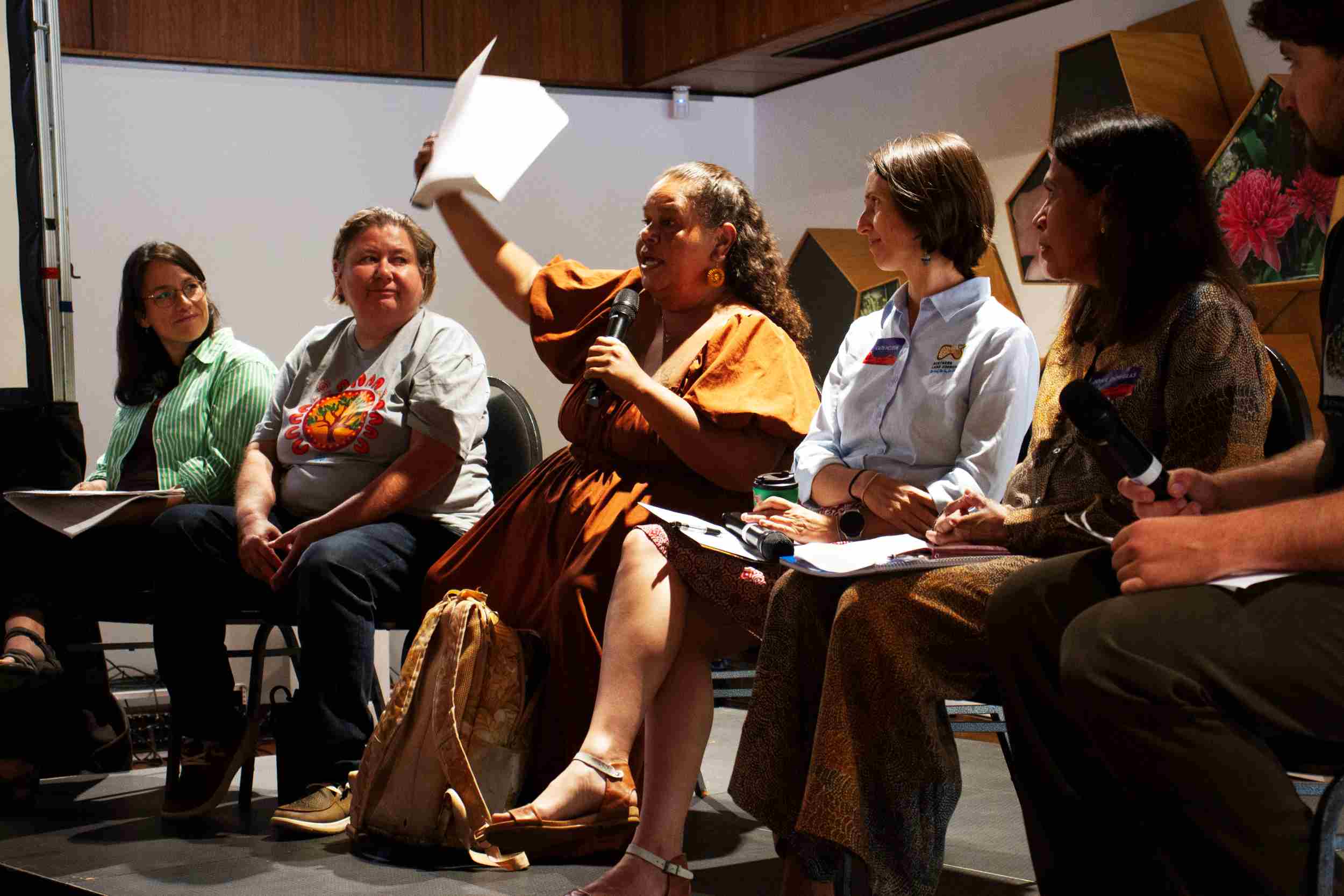
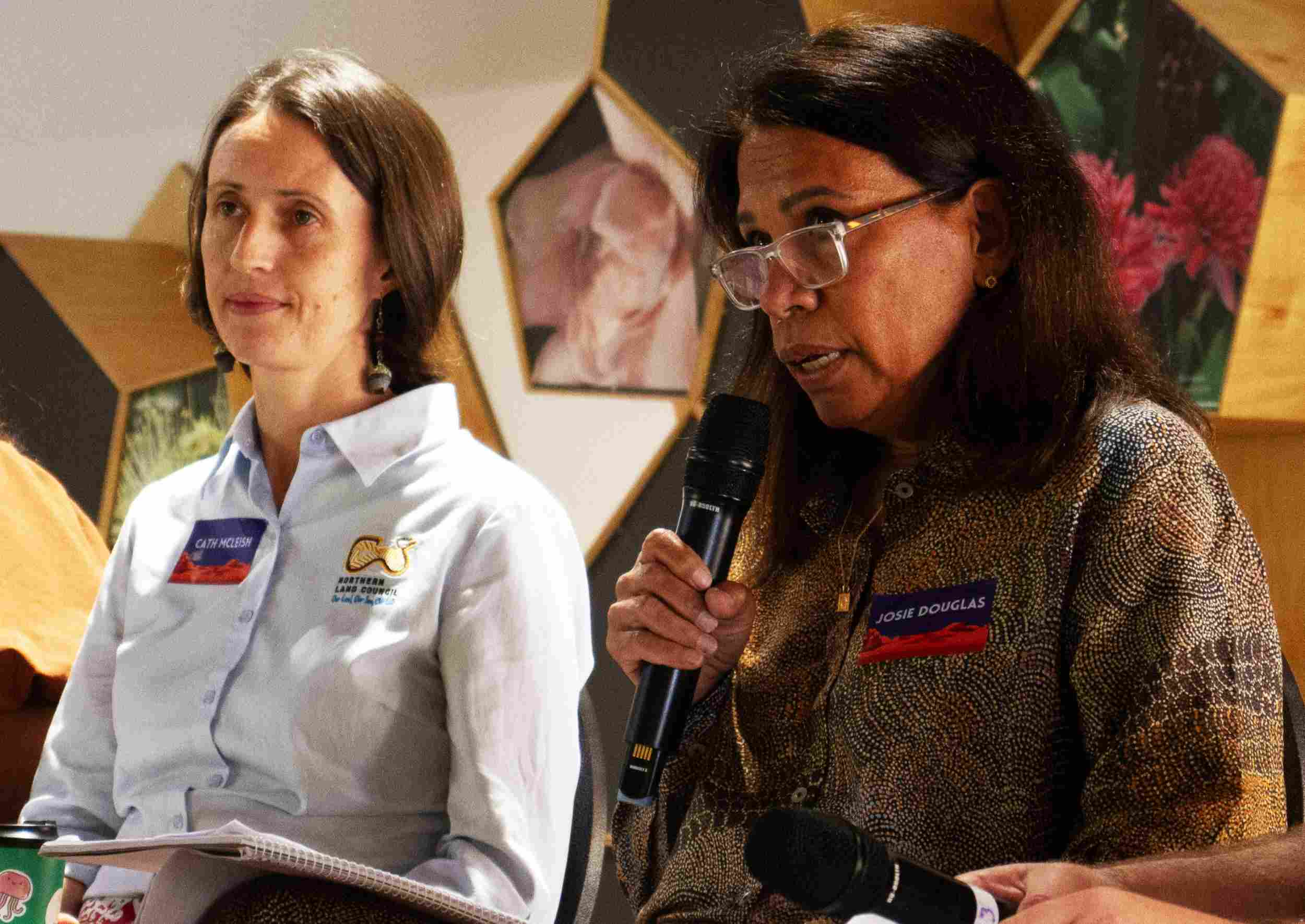
We also heard from Josie Douglas from the Central Land Council, in how Native Title Holders are making the most of their current rights, and how the CLC are supporting Mperempwer Native Title Holders challenge the granting of the largest groundwater licence in NT history at Singleton Station, including through a court challenge in the High Court. We heard powerful words prepared by Maureen Nampijinpa O’Keefe and read by Kathryn Gilby, about Maureen’s family's connection to Kaytetye Country, and the intergenerational struggle that has resulted in her leading the Water Justice Project saying no to the 40 billion litre per year groundwater licence at Singleton. Environmental Justice Australia and the Northern Land Council provided vital context to the discussion.
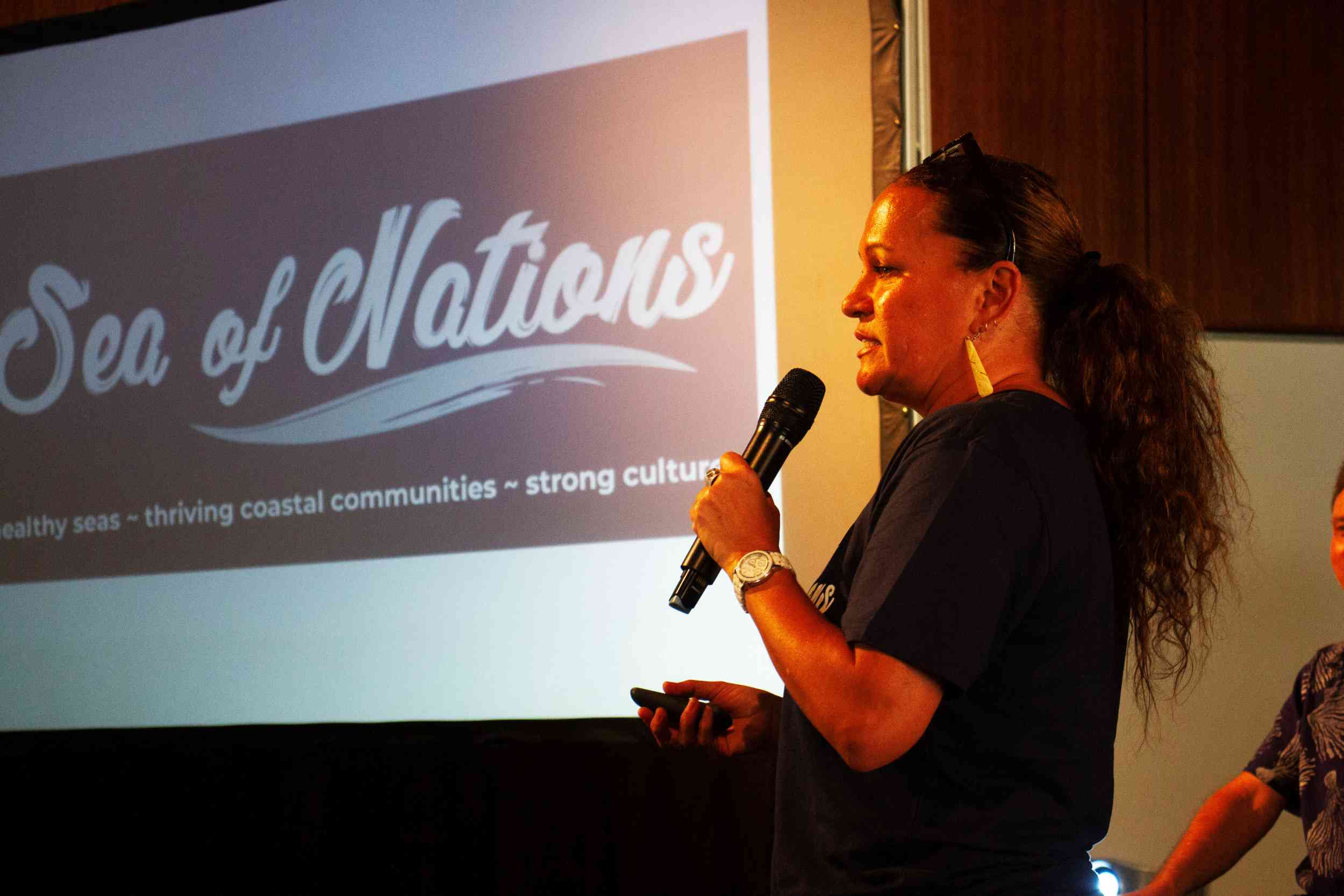
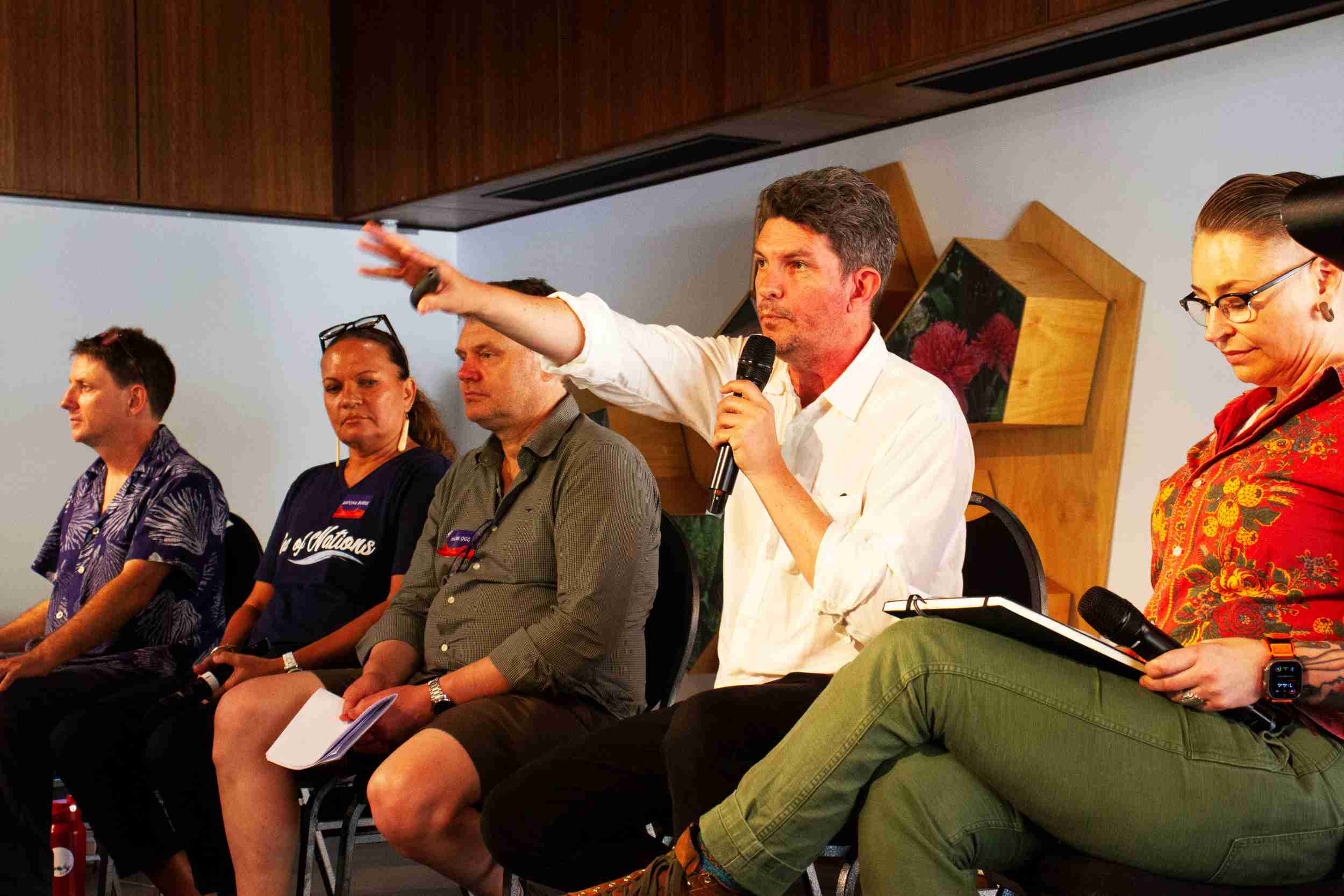
Fossil fuels and the climate crisis then took centre stage. We heard about the sophisticated far-right networks that are used to promote misinformation and disinformation around fossil fuels and the renewable energy transition from Scott Ludlam, how the gas industry isn’t an economically significant industry for Australia and pays little to no tax from The Australia Institute's Mark Ogge, a remarkable presentation from Antonia Burke documenting her struggle fighting Santos’ Barossa project, and the growing international campaign to stop gas expansion in the Arafura Sea, and from Julia Grix talking through the establishment of Climate Defenders Australia, the first dedicated legal service to protect, empower and advance the rights of frontline climate and environmental defenders in Australia.
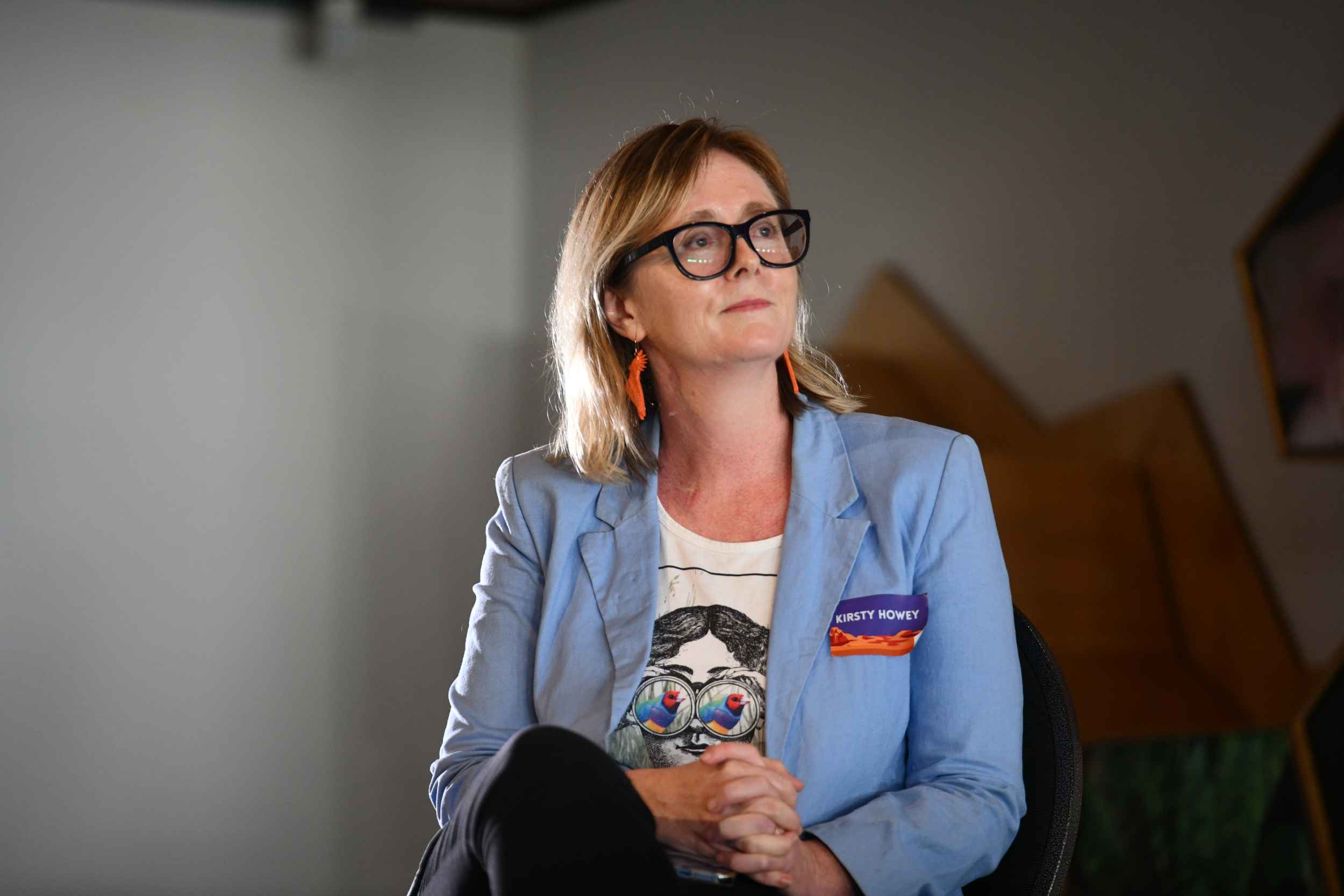
We then heard from Kirsty Howey’s heroes who are challenging the north as a sacrifice zone. Sam Phelan emotionally shined a light on what climate collapse already looks like in Katherine and the class and racialised injustice that already exists. Larrakia leader, Tibby Quoll spoke on always fighting, and always trying new ways to care for Country, from Lee Point to native title struggles. Theresa Burke spoke on the Tiwi struggle and her ongoing fight and struggles with Santos. Louise Woodward outlined the health risks of the Middle Arm Development, and Martin Pritchard talked about fighting the gas industry for decades in Australia’s north-west.
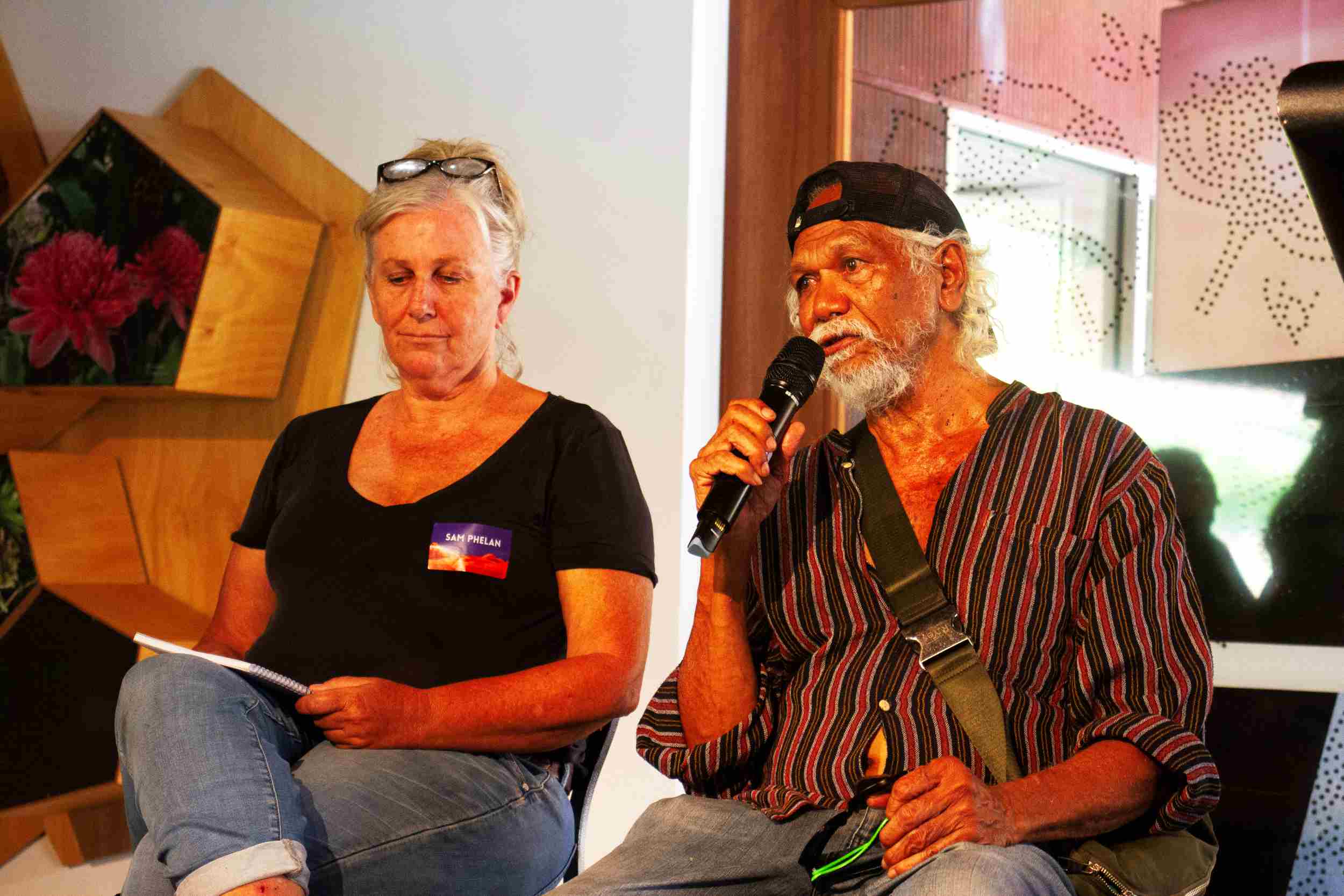
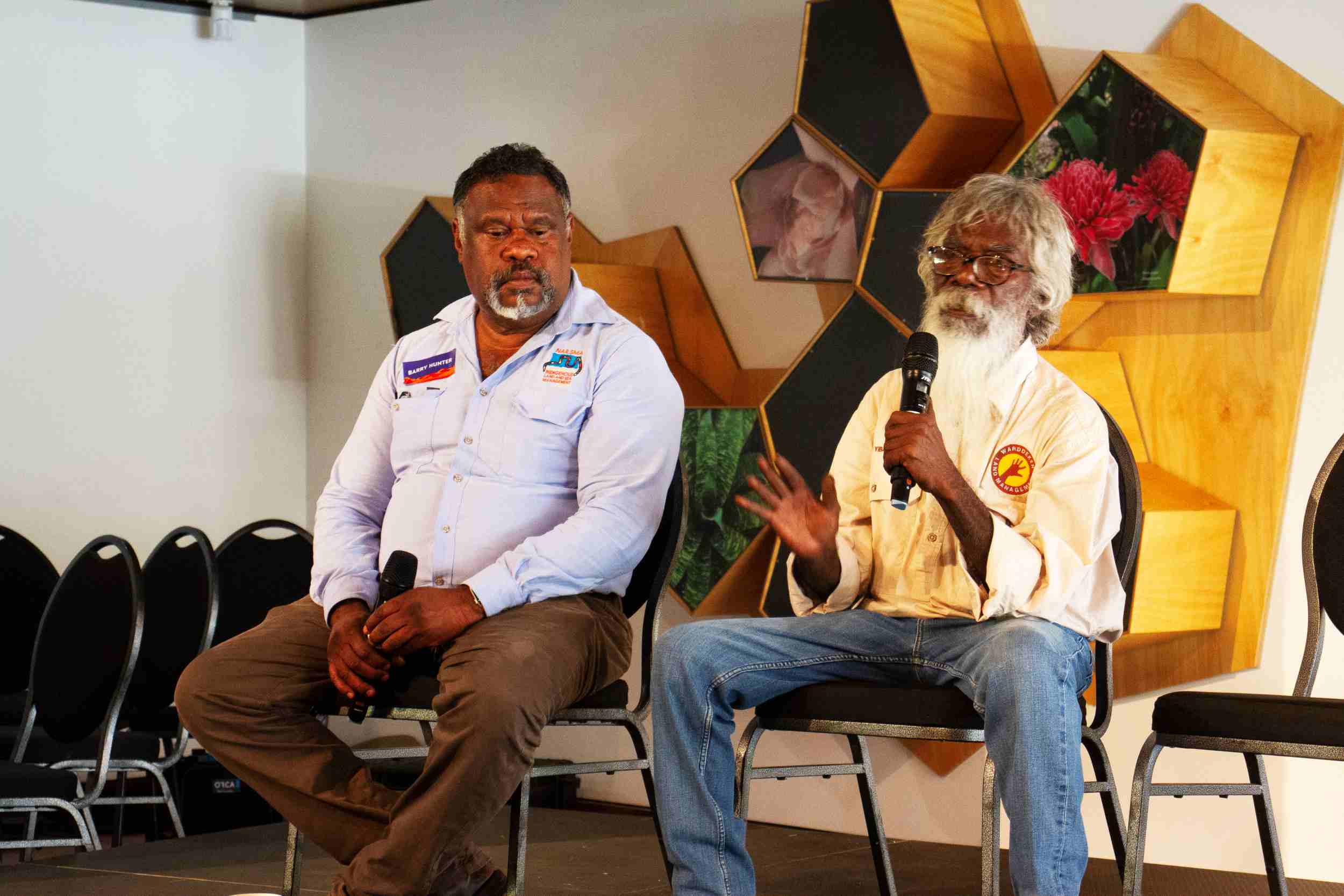
Day 1 finished with two very important sessions. Joe Morrisson reflected on 10 Years of the Developing the North White Paper, which has promoted divisive development, which is often incongruent with the values and interests of First Nation communities in the north. He asserted the need to create economies developed and led by First Nation communities, and that lessons must be learnt from the success of ranger groups and savanna burning projects. We then heard from Barry Hunter, Cissy Gore-Birch and Dean Yibarak discussing economic empowerment and success across the north, and how their work is seeking to create the heroes for the next generation of First Nation young people to look up to. They emphasised the importance in positioning Indigenous Rights and justice alongside ideas about the economy.
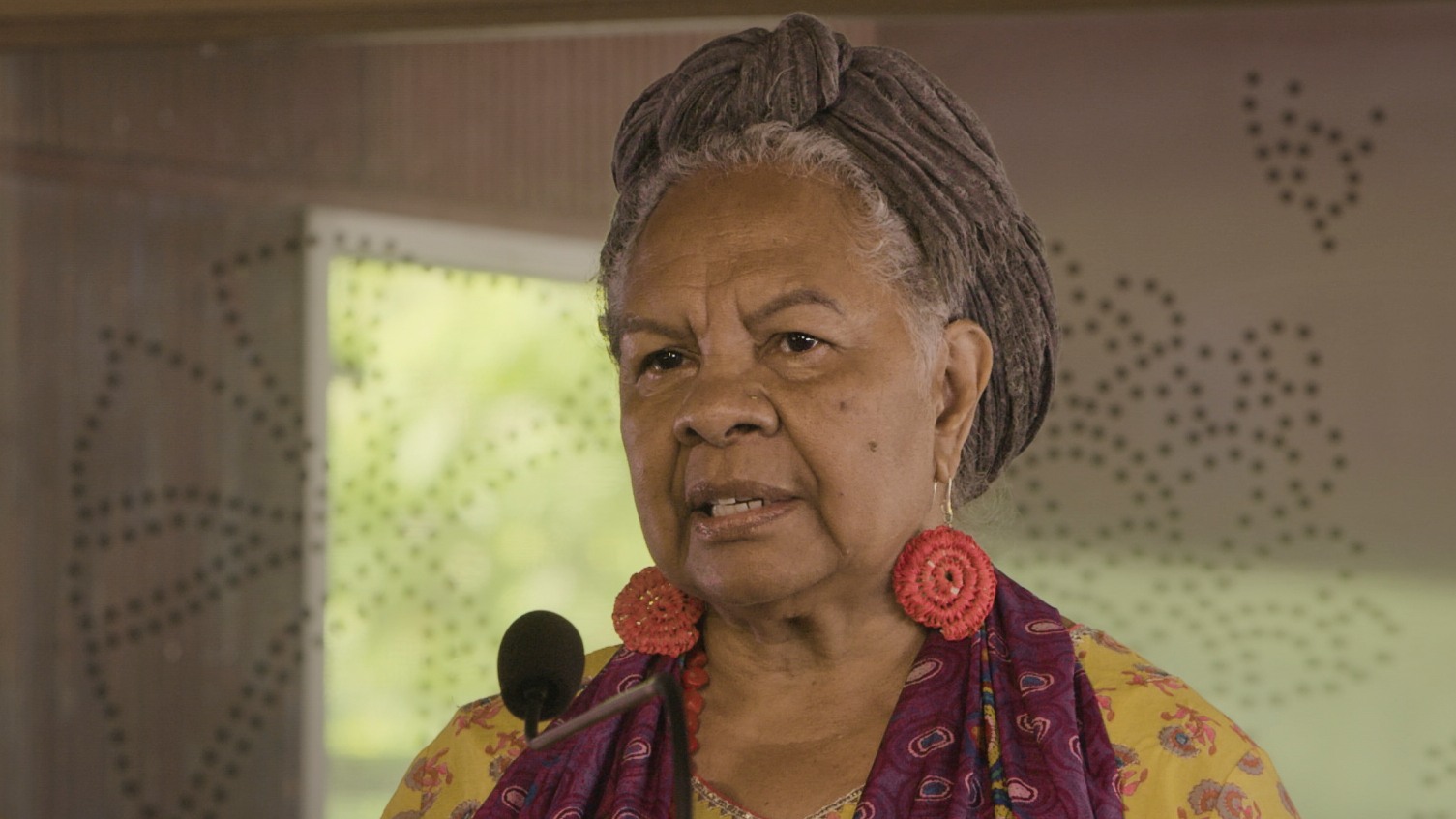
Day 2 began with a remarkable keynote from Professor Anne Poelina regarding just development on just terms. The responsibility to stand for Country, to stand for water, to stand for the environment, and to listen to senior First Nations women. We heard a glimpse of the remarkable achievements of Anne’s life, from Martuwarra Fitzroy River Council in the Kimberley to connections across the world.
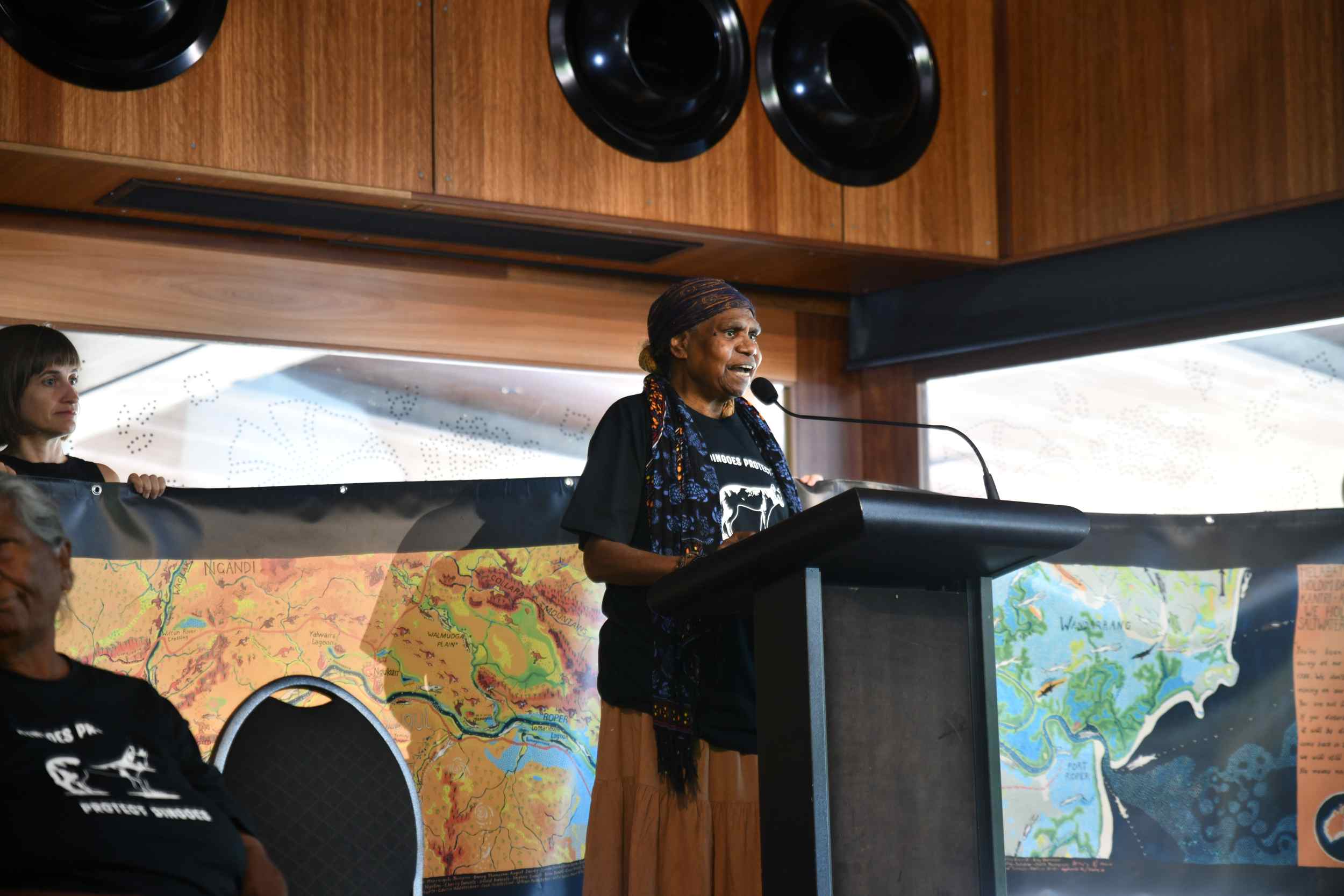
Anne Poelina’s keynote laid the foundation for a morning of water. We heard of a major achievement earlier this year, when 13 First Nation clans across the Roper River catchment coming together to establish the Ropa Woda Governance Council. Miliwanga Wurrben emphasised that everything is about balance, and we must return to a state of balance. We then heard of deep connections to water and struggles to protect water from the Mitchell and Palmer Rivers in Far North Queensland, stopping fracking in channel Country in Western Queensland and amazing efforts of the Martuwarra Fitzroy River Council.
After Morning Tea, we had another captivating session, this time showcasing the connection between militarism/ defence in the north and significant environmental struggles and community harm. Dave Sweeney rebutted the costly and dangerous nuclear waste and AUKUS submarines pact, while Mia Pepper from CCWA talked about the growing demand for critical minerals, their role and demand to create weapons, the increasing alignment between security and defence partnerships and critical mineral trade agreements, and the reality that it is the north where key and abundant critical mineral supplies are located. Strategic responses to this context are urgently required. James Shirley from Jubilee talked to the intertwined gas and defence infrastructure partnerships in the pacific, while Kathryn Gilbey had the audience entranced and deeply moved outlining the racialised surveillance, militarism and control that was normalised via the Northern Territory Intervention from 2007 to today. Aghast at the Australian military being sent into remote communities and the subsequent control of people and the widespread limitation of rights. The panel warned of the dangers of dehumanising peoples, from the Intervention in the Northern Territory to the ongoing genocide in Palestine.
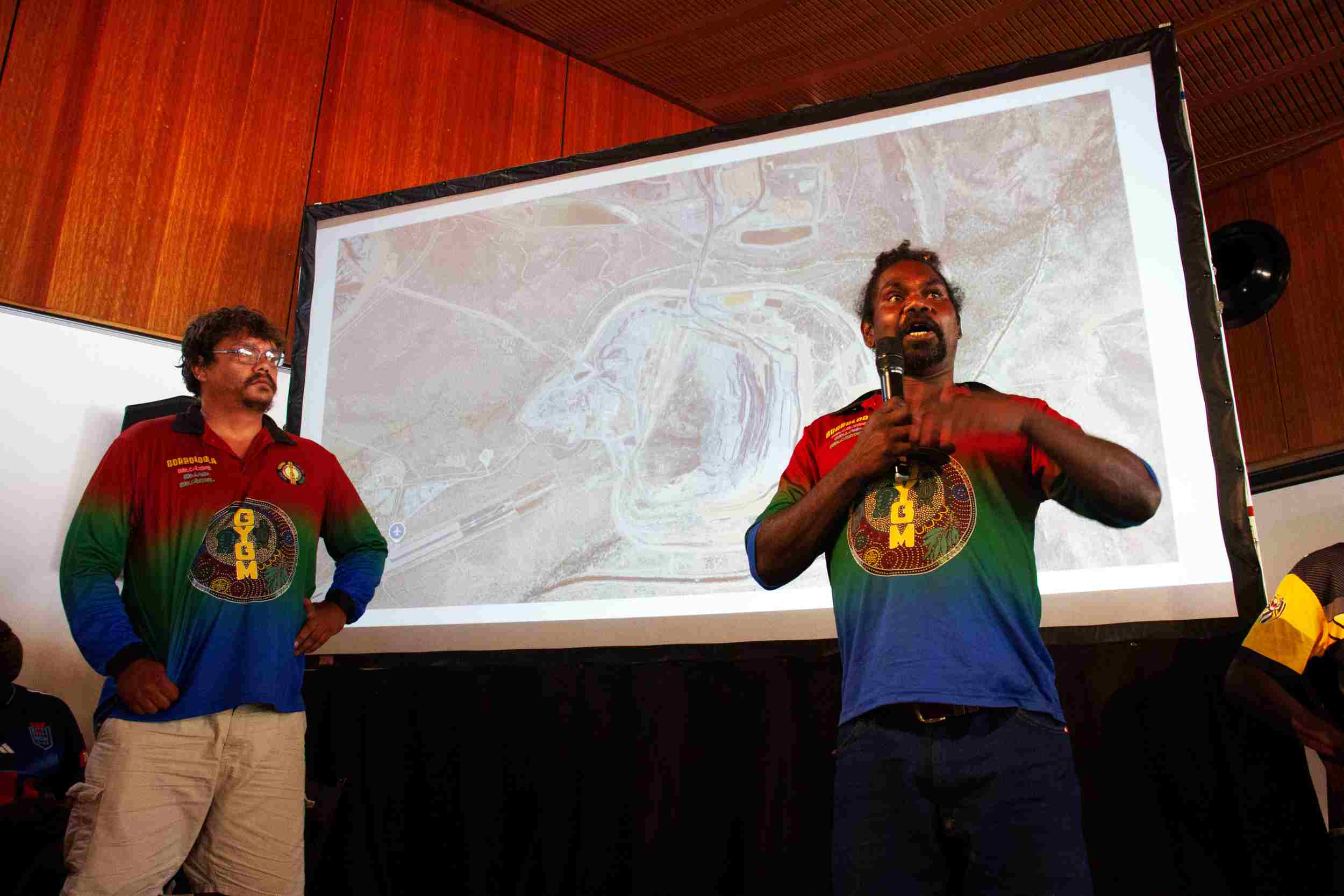
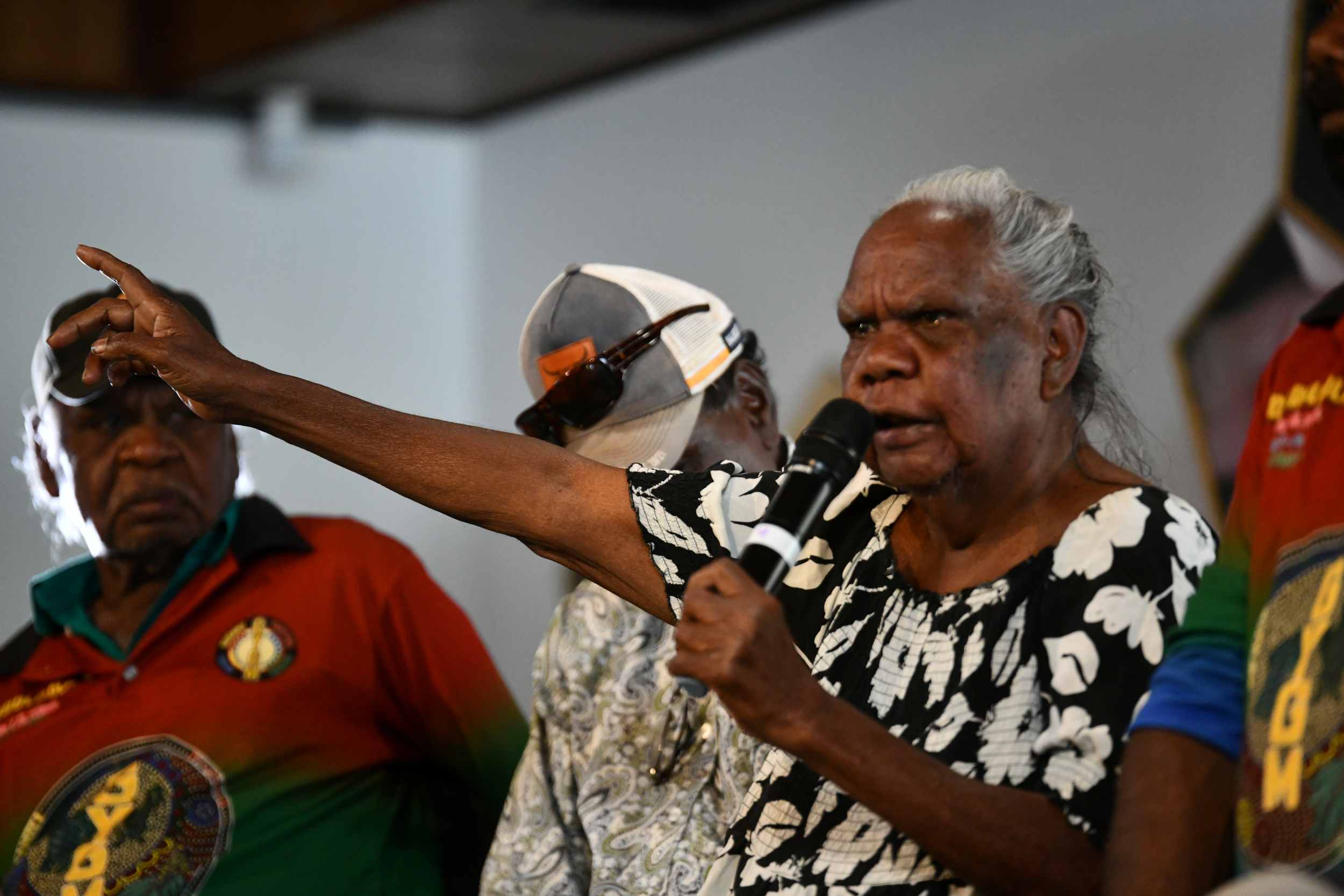
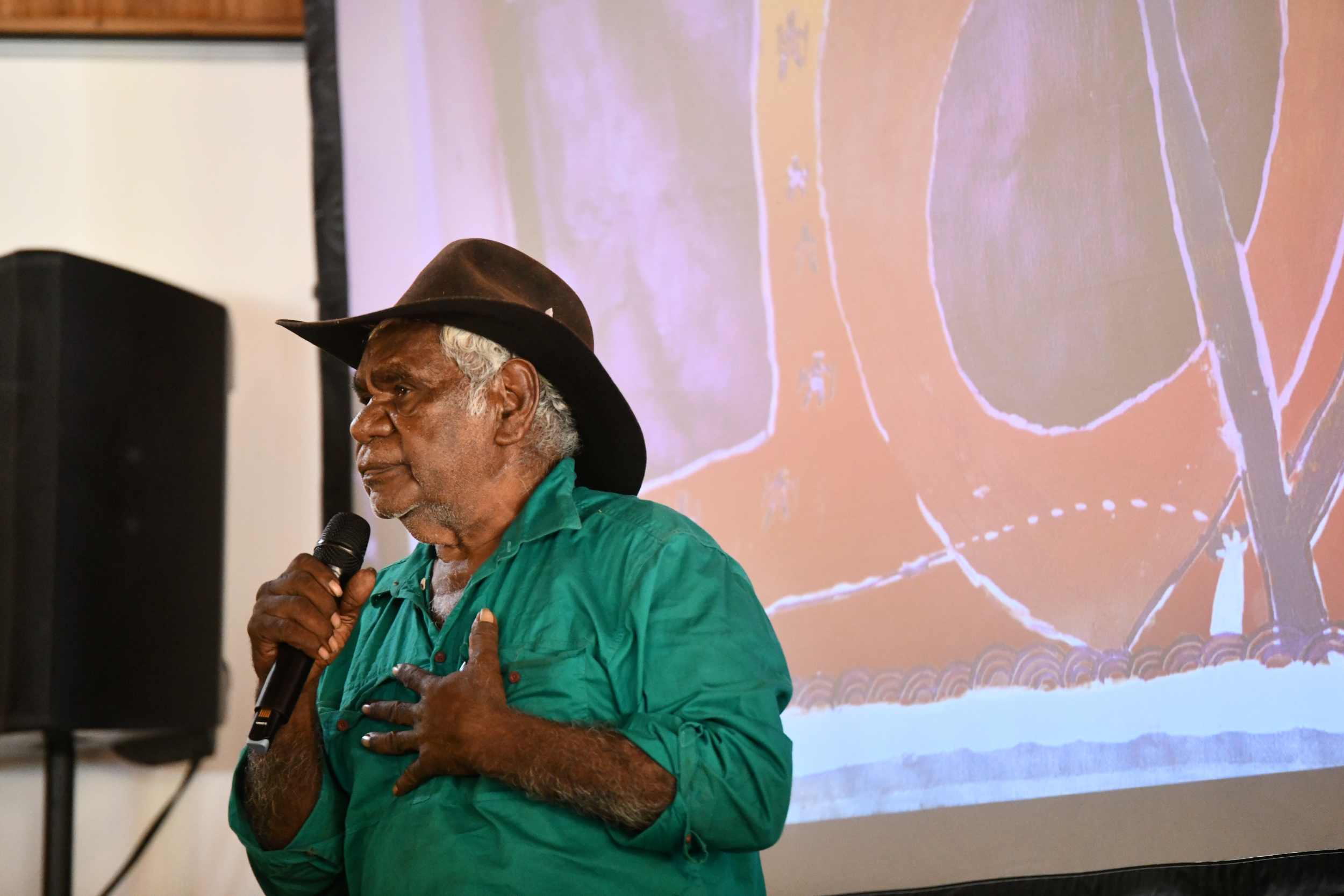
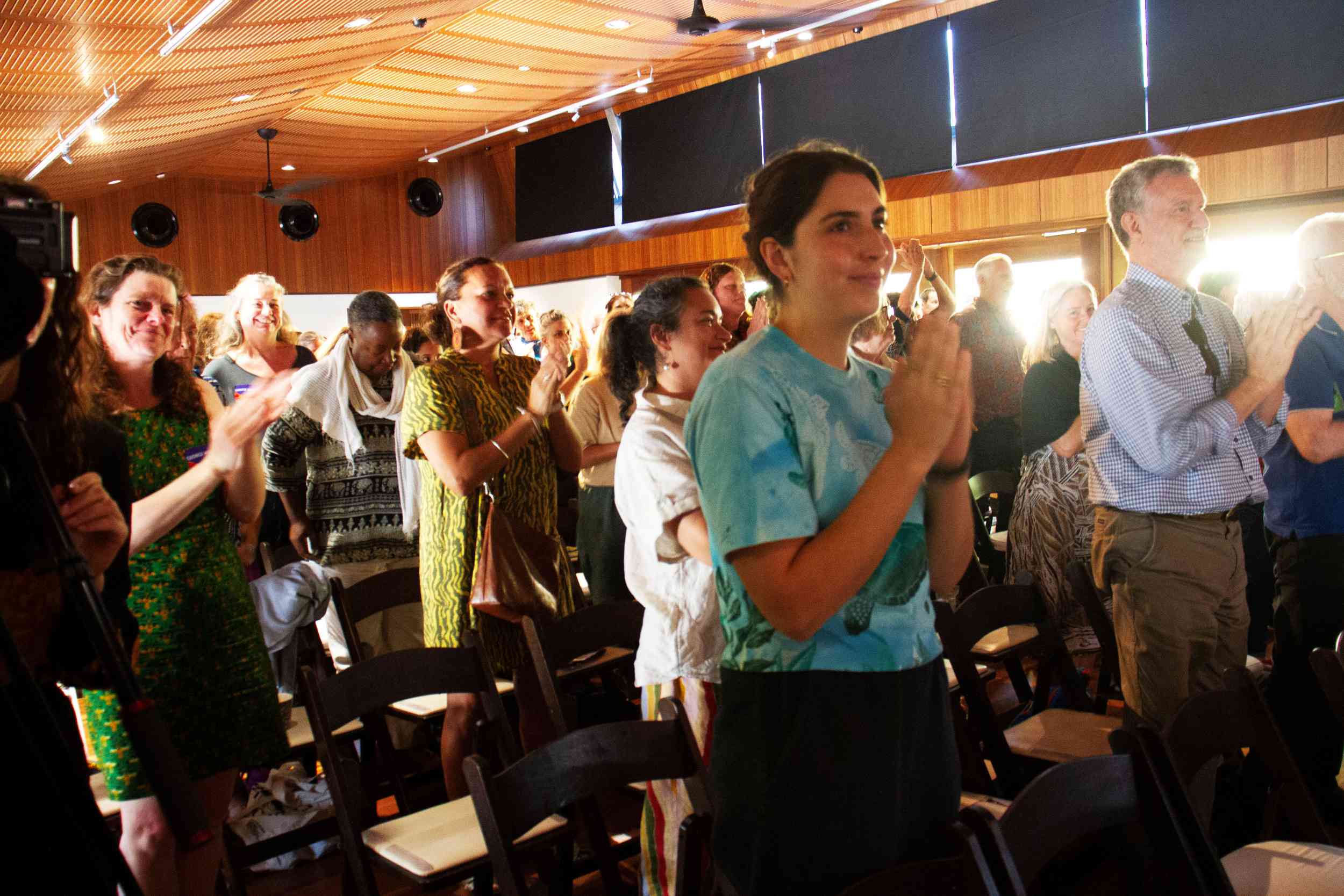
A personal favourite session of the conference which received a particularly prolonged standing ovation (one of many) was hearing from members of the Gudanji Yanyuwa Garrwa Marra (GYGM) Aboriginal Corporation, a new Traditional Owner corporation representing the four clans of the Borroloola region. With vision and intergenerational knowledge sharing front and centre this was a truly inspiring keynote. GYGM was formed out of the ashes of the 5 decade violent history of Australia’s most toxic mine, Glencore’s McArthur River Mine. Traditional Owners showcased that they are taking back the narrative and the agenda to shape their destiny for generations to come.
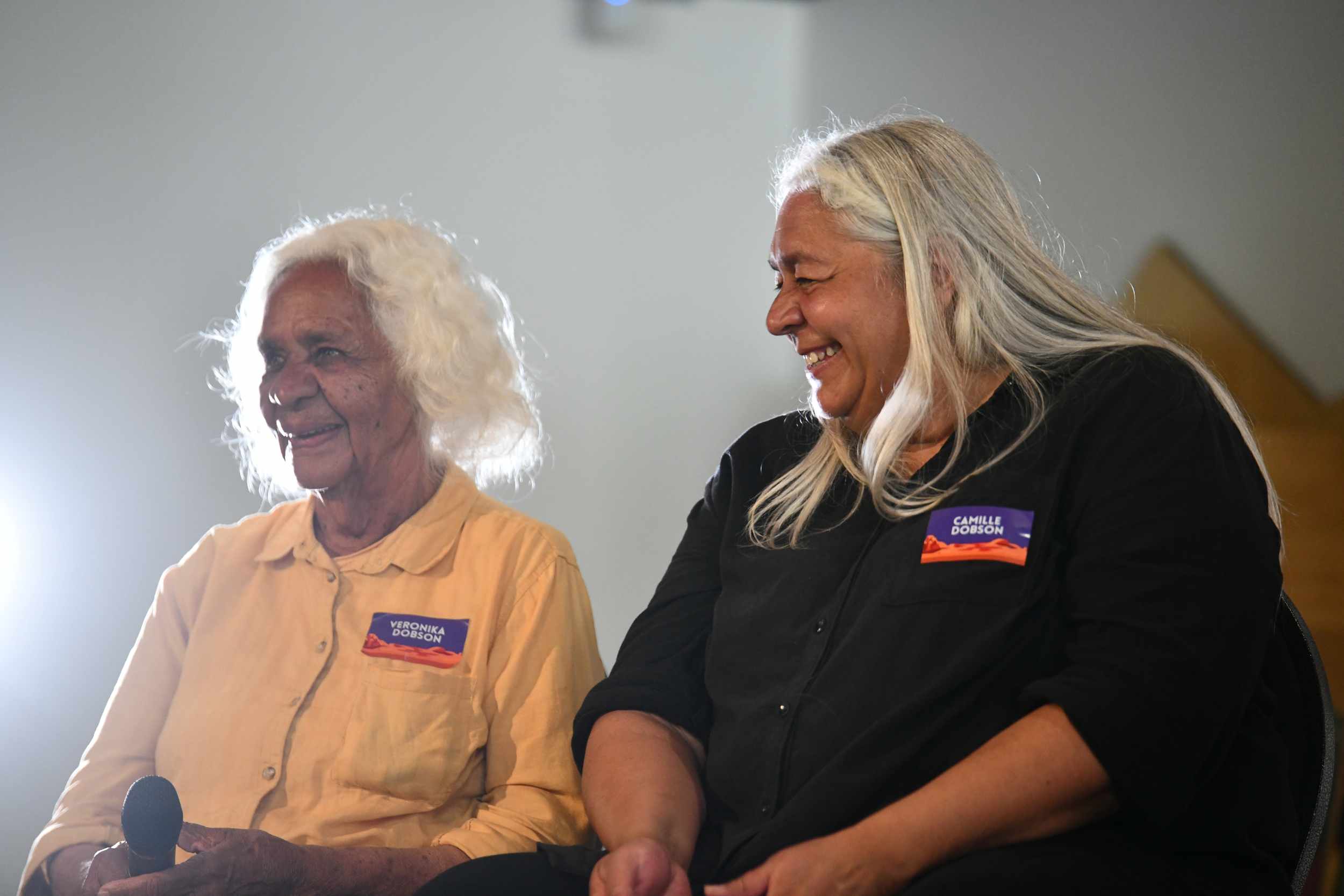
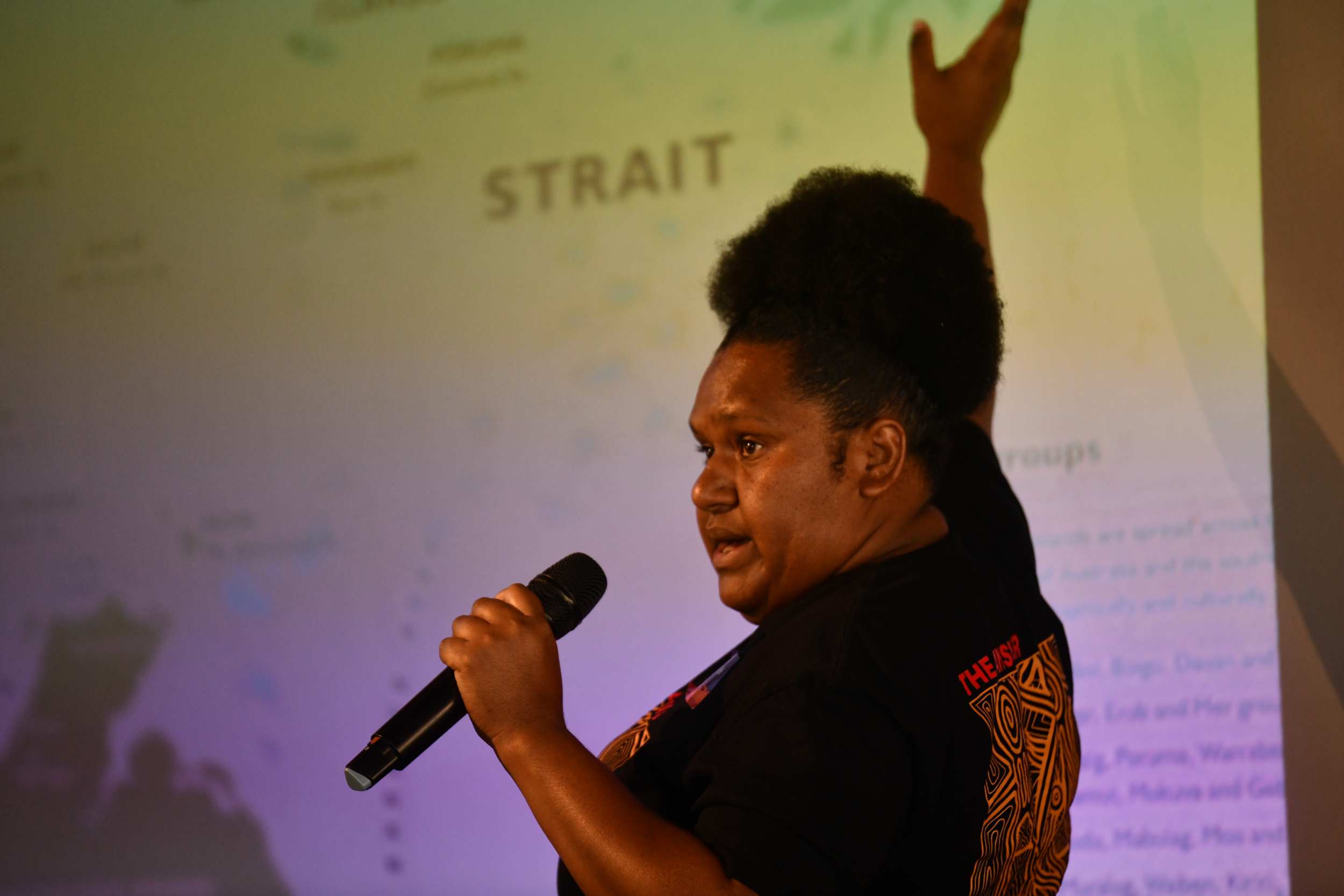
After lunch we heard moving testimonies of climate and nature collapse in northern Australia. We heard from Eastern Arrernte mother-daughter power duo Veronica and Camille Dobson on the devastating impacts of buffel grass invasion, its impacts on language, inter-generational knowledge sharing and damaging springs and the health of Country. We also heard about the devastation of sea-level rise in the Torres Strait from Lala Gutchen and destructive floods near Fitzroy Crossing in the Kimberley and how a community-led response maximised opportunity out of devastation by Rene Dingo.
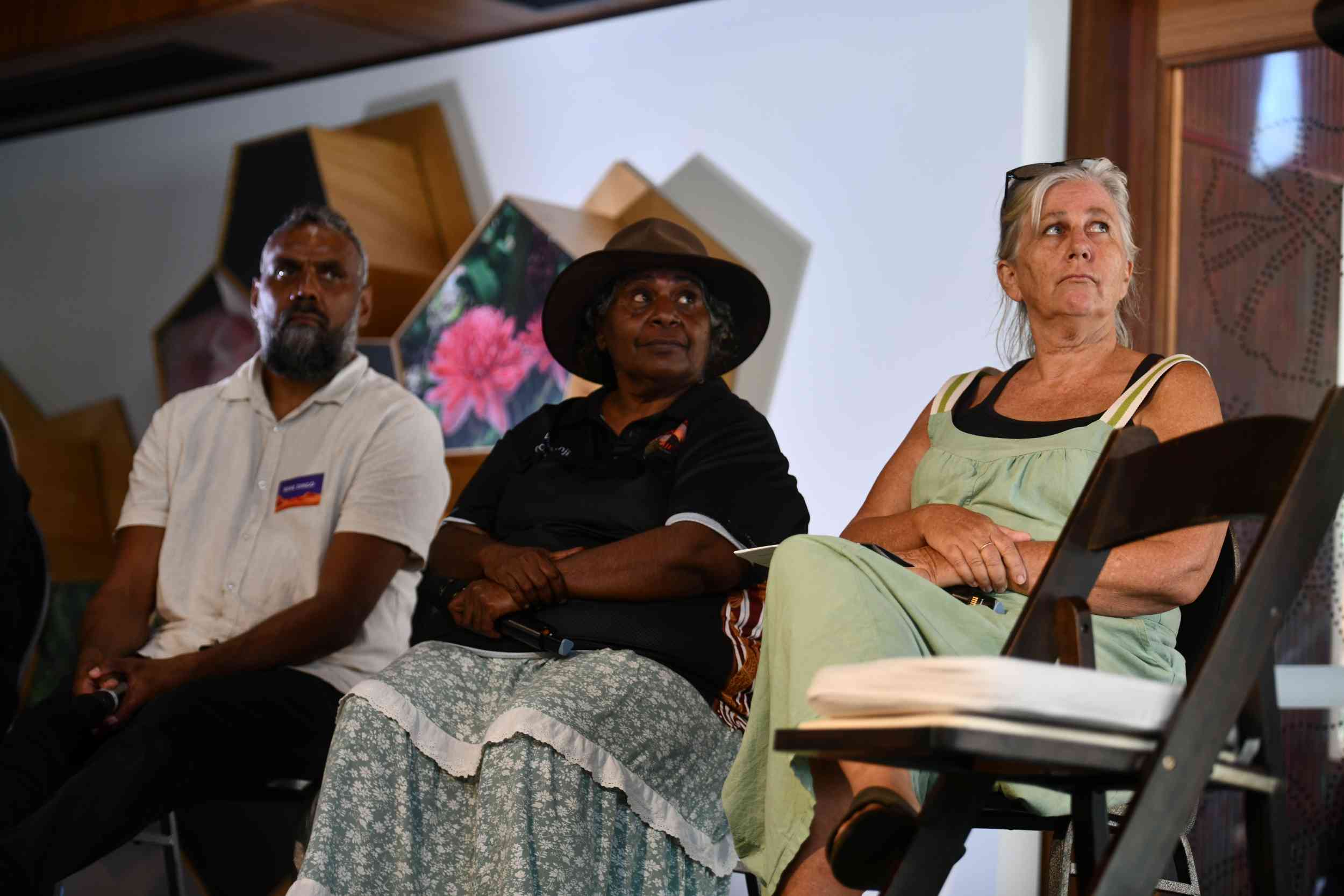
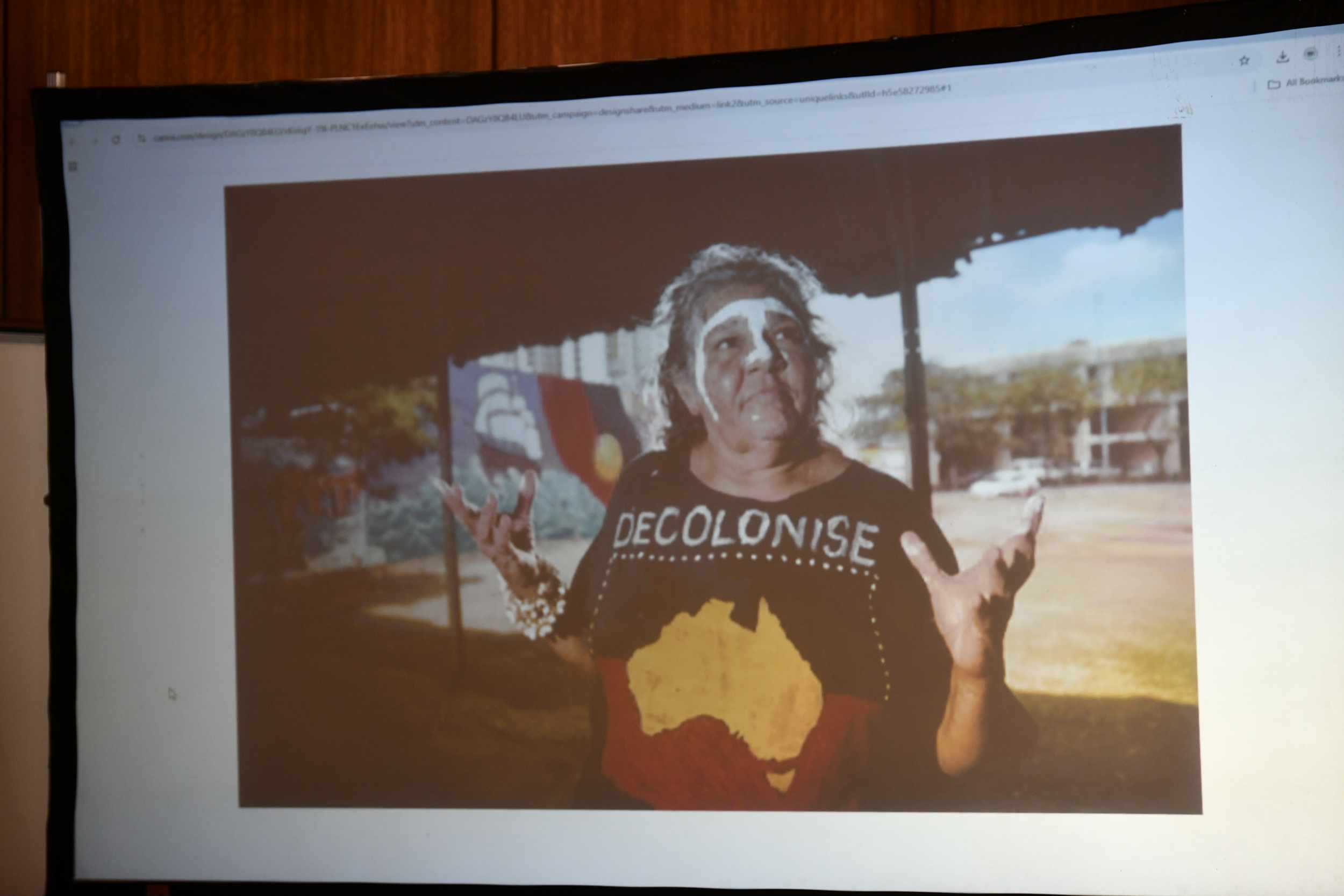
We celebrated the presence of Larrakia woman June Mills, who reminded us of the importance of connection, solidarity, having fun in resistance and inspiring people to protest to meet the best people in the world. With support from family member Laniyuk the conference shared some of the magic of June Mills.
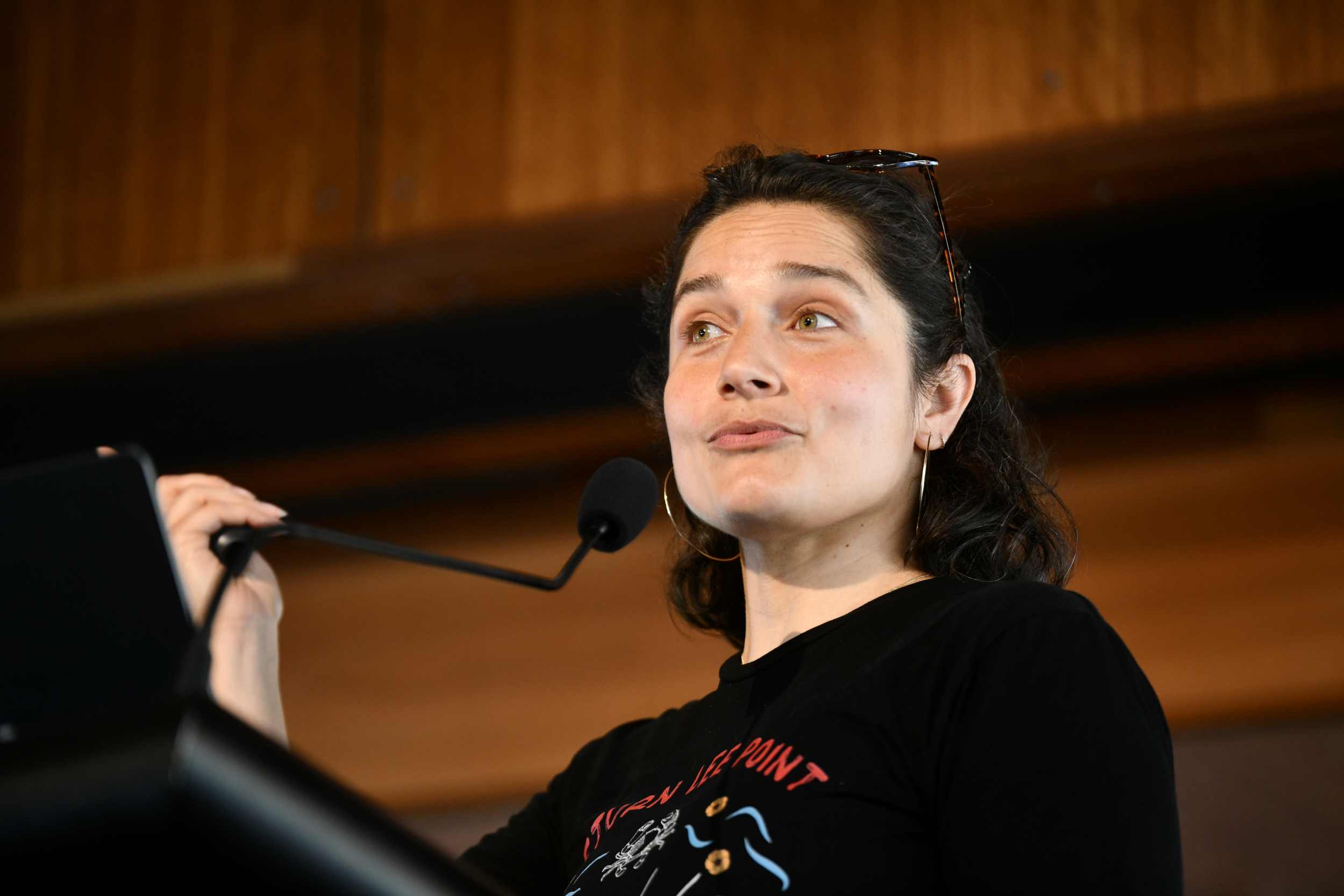
The last panel of the conference was a provocation for the environment movement, in the context of all these struggles, emergent and longstanding, where to now?
Ketan Joshi, energy analyst and climate writer highlighted the major risks in the renewable energy transition, the dangers of replicating destructive top-down development that ignores community concerns, impacts to nature and First Nations rights. Using two case studies from Norway, he warned that the outcome of expanding renewable energy output, although urgent and existential, must not disregard how the transition unfolds on the ground. Te Taukura O’Connell Rapira from 350.org talked about decolonial struggles, resistance, First Nations justice and leadership sharing historic examples from Aotearoa (New Zealand). George Woods from Lock the Gate queried, the environment movement often feels like it is rushing and in a hurry, responding to this reform or that development, however, why are we rushing and what does rushing achieve? Damien Lawson from sunrise questioned what it takes to re-establish the climate struggle as a popular movement across the continent.
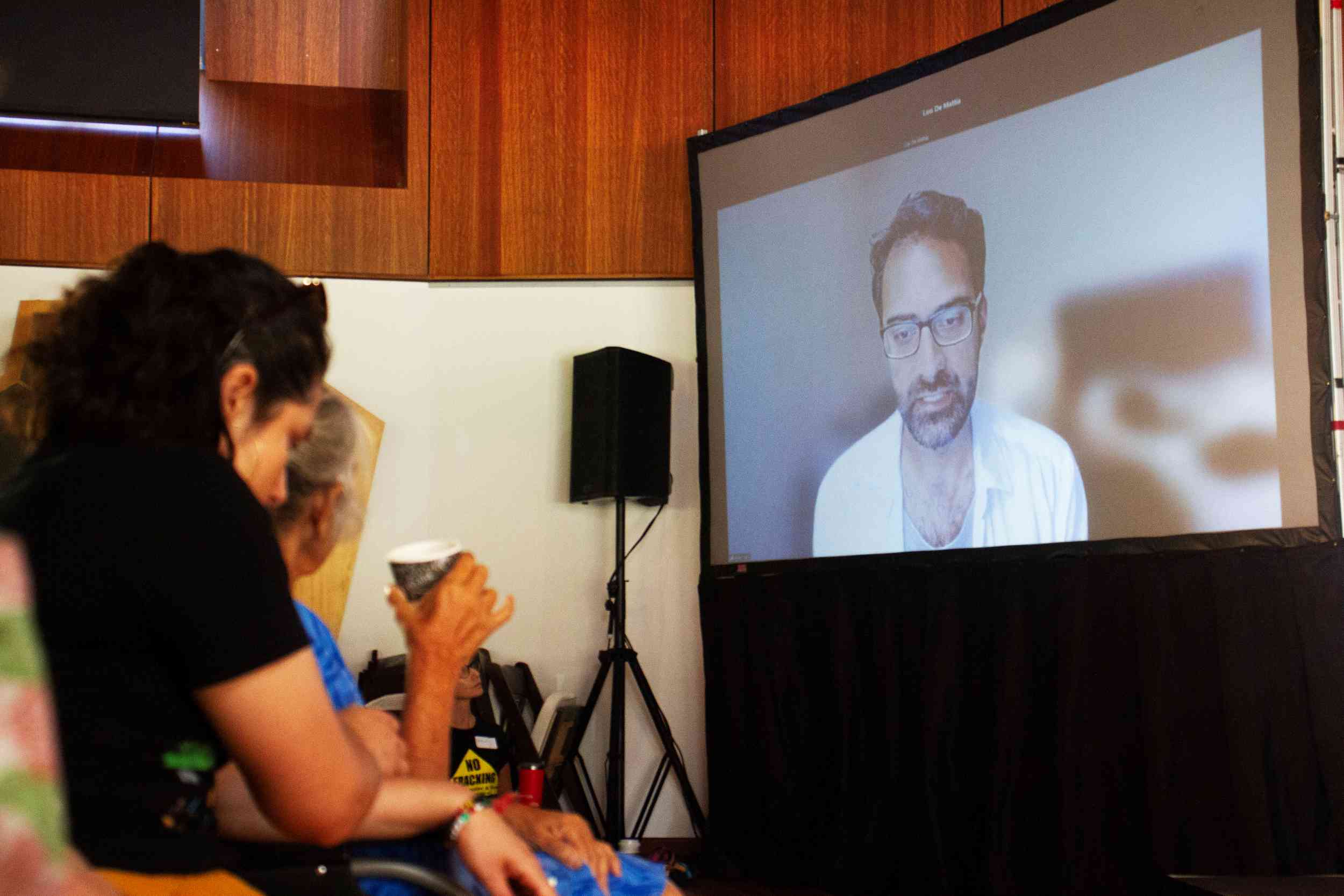
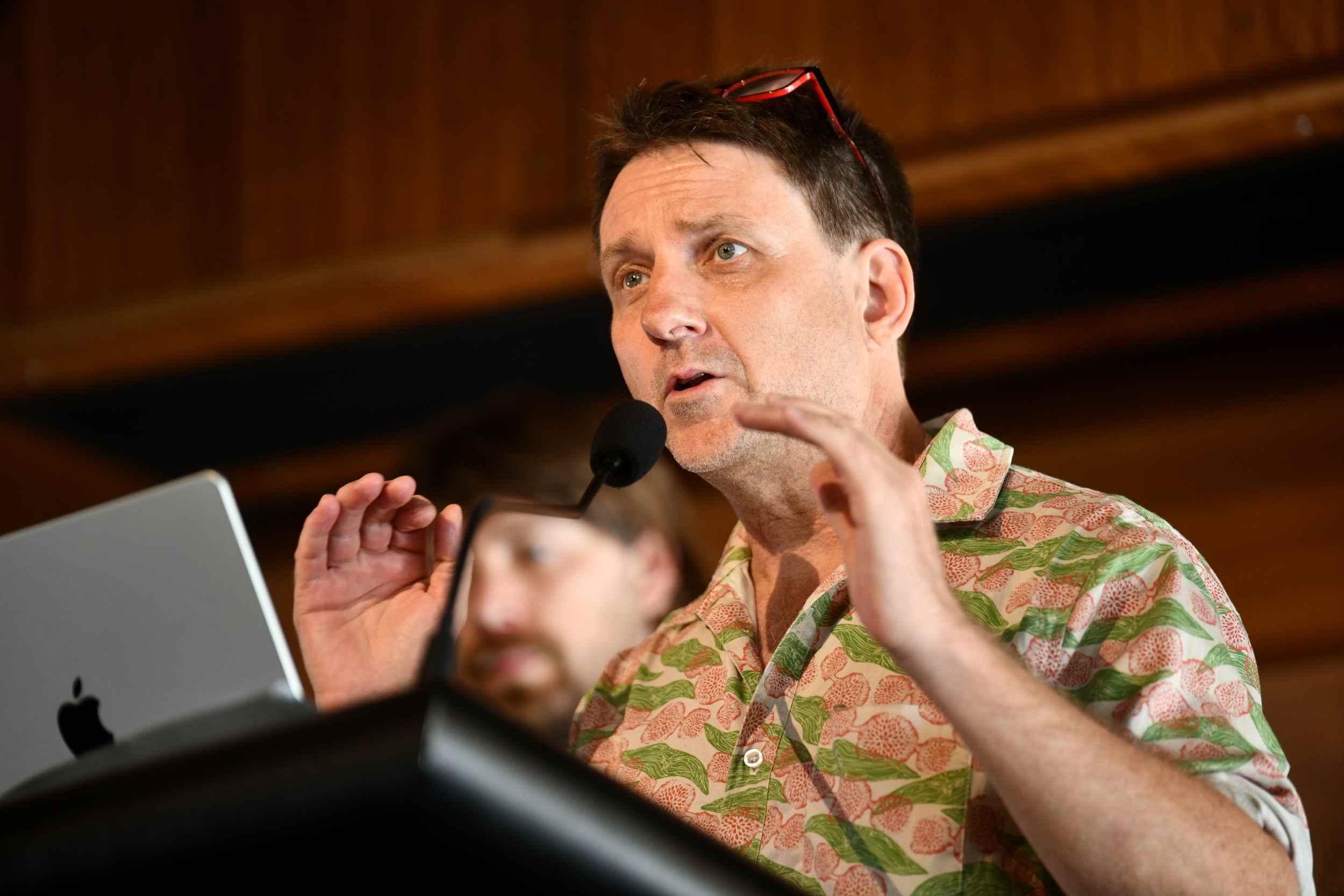
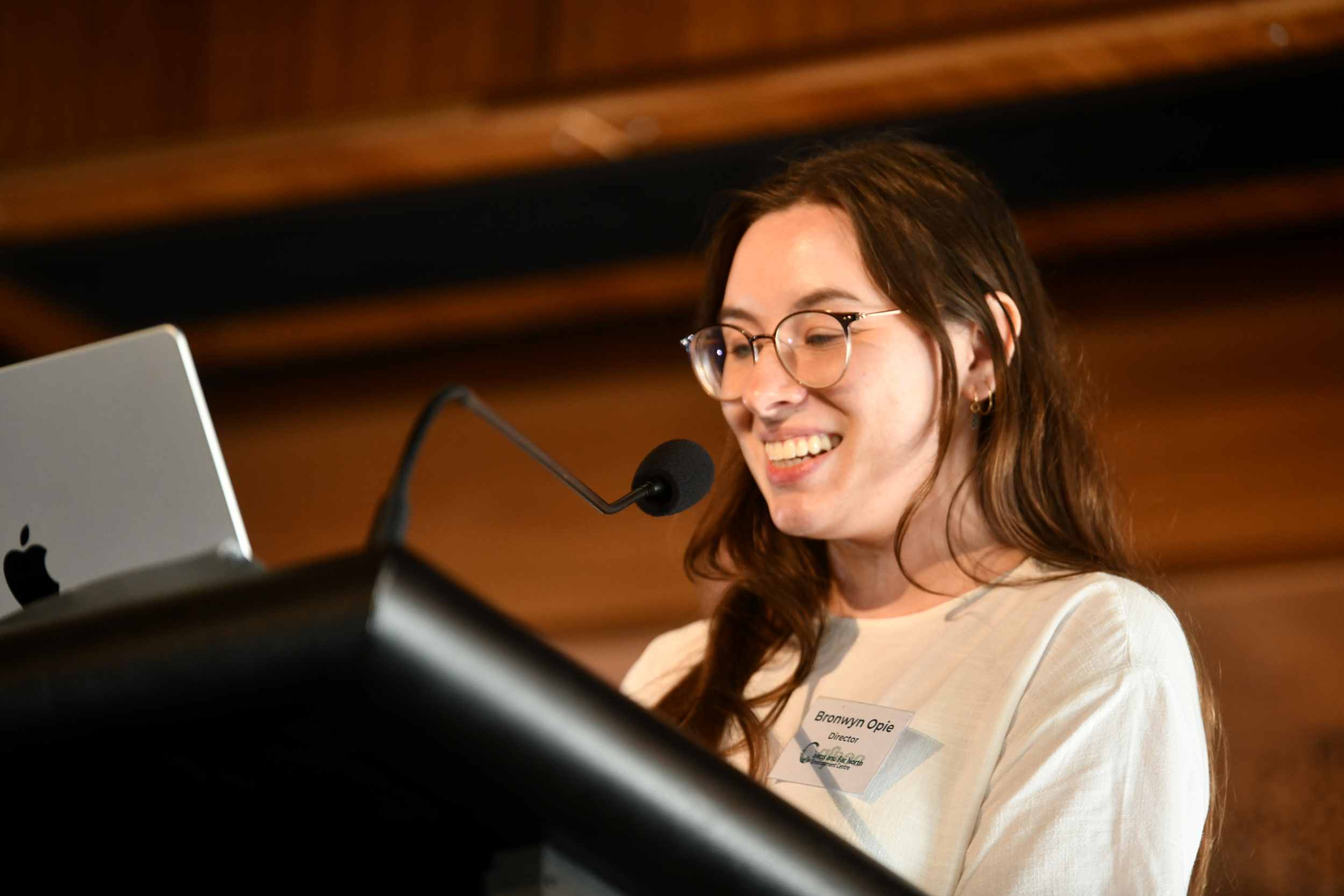
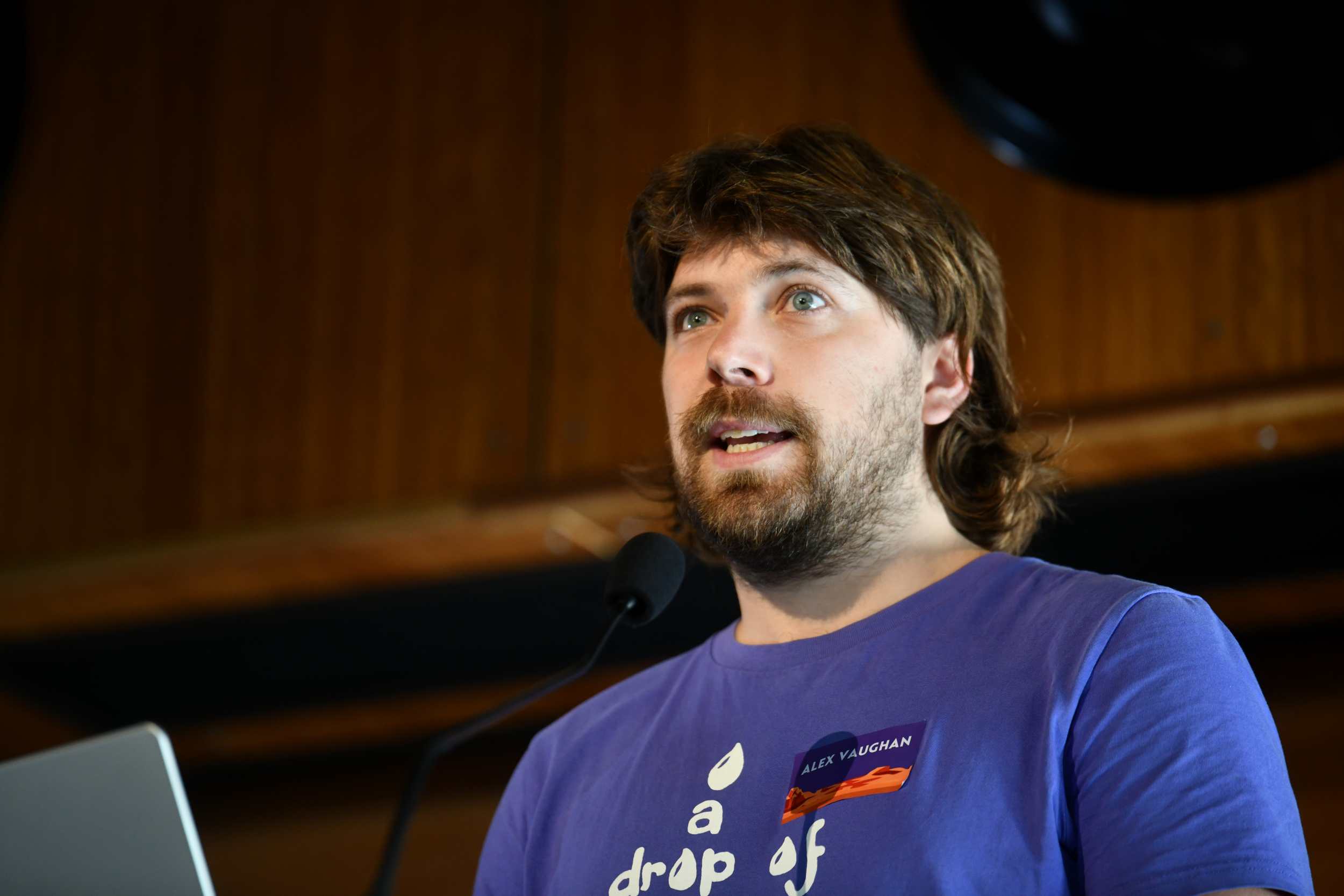
The conference concluded with a powerful video presentation by June Oscar, before Kirsty Howey, Martin Pritchard, Bronwyn Opie and Alex Vaughan read out Australia’s Great North Conference Declaration 2025.
ALEC is proud to be part of this movement, standing shoulder to shoulder with allies across the North to ensure that our shared home remains vibrant for generations to come. From the desert to the reef, we are working together to fight for a more just, thriving future. We have serious and oppressive obstacles ahead, but connected, resourced and empowered is how we will make a difference and better care for the environment!
In Solidarity,
Alex Vaughan
ALEC Policy and Advocacy Coordinator